


Bangladesh–Africa Trade Relations: Opportunities, Exports, Imports & Investment
Bangladesh-Africa trade relations have quietly grown into one of the more promising South-South economic partnerships of the decade. What began as scattered trade in raw materials and garments has evolved into a broader relationship touching pharmaceuticals, jute, leather, ceramics, and increasingly, cross-border investment. As African economies diversify and Bangladesh looks beyond its traditional Western markets, both sides are discovering real reasons to do more business together.
This article breaks down where Bangladesh-Africa trade relations stand today, what’s being exported and imported, where the investment opportunities lie, and what businesses on both sides need to know to participate.
Why Bangladesh–Africa Trade Relations Matter Now
For decades, Bangladesh’s export engine ran almost entirely on Europe and North America, while Africa remained an underexplored frontier. That’s changing. Africa’s growing middle class, expanding retail sector, and rising demand for affordable, quality manufactured goods align closely with what Bangladesh does best — ready-made garments (RMG), jute goods, pharmaceuticals, leather, and light manufacturing.
At the same time, Bangladesh needs what Africa has in abundance: raw cotton, agricultural commodities, and minerals. That complementary relationship is the real engine behind Bangladesh-Africa trade relations, and it’s why platforms like the Africa-Bangladesh Business Forum and events such as the Africa-Bangladesh Business Summit have gained momentum recently.
Current Trade Snapshot: Where Things Stand
The numbers tell an important story about the current stage of Bangladesh-Africa trade relations. According to National Board of Revenue data reported by Bangladesh imported goods worth $2.81 billion from Africa in the last fiscal year while exporting $440 million, leaving a trade deficit of roughly $2.37 billion (Prothom Alo, 2025). That imbalance highlights both a challenge and an opportunity — there’s significant room for Bangladeshi exporters to close the gap, particularly in sectors where the country already has manufacturing strength. Prothomalo
For a deeper look at the historical trajectory of this relationship, see our earlier piece on exploring the trade horizons between Bangladesh and Africa.
Bangladesh’s Top Exports to Africa
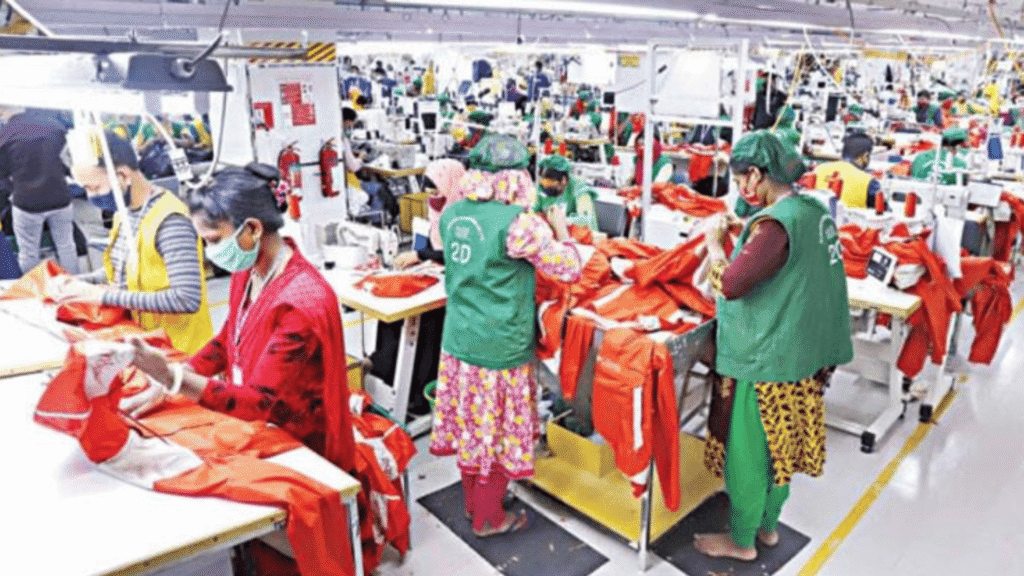
Bangladesh’s export basket to African markets is expanding well beyond garments. Key categories include:
- Ready-made garments (RMG) — Bangladesh’s largest export earner globally, and increasingly competitive in African retail markets. See our detailed breakdown of exporting Bangladeshi RMG to Africa and the challenges and opportunities for RMG exporters.
- Jute and jute products — eco-friendly bags, packaging, and textiles are gaining traction with African retailers looking for sustainable alternatives to plastic. Read more on why African importers prefer Bangladeshi jute.
- Pharmaceuticals — Bangladesh’s generic drug manufacturing is finding new buyers across the continent, as covered in our piece on Bangladeshi medicines in Nigeria.
- Leather goods and ceramics — smaller but fast-growing categories, discussed in Bangladeshi leather in Nigeria and ceramics exports to Africa.
For the fuller product list, our guide to Bangladesh’s top export products and markets in Africa is worth a read.
What Bangladesh Imports from Africa
On the import side, Bangladesh relies heavily on Africa for raw materials that feed its own manufacturing base:
- Raw cotton — critical input for Bangladesh’s textile industry, with countries like Burkina Faso emerging as reliable suppliers (see our coverage of the Burkina Faso–Bangladesh cotton trade and the broader Africa cotton supplier relationship).
- Agricultural commodities and minerals — a growing share of Bangladesh’s import basket, explored in our top import products from Africa roundup.
This complementary trade pattern — Bangladesh’s manufacturing capacity meeting Africa’s raw material supply — is central to why Bangladesh-Africa trade relations have long-term potential, not just short-term momentum.
Investment & Partnership Opportunities
Trade is only part of the picture. Foreign direct investment is becoming a bigger piece of the Bangladesh-Africa trade relations story, with businesses on both sides exploring joint ventures, sourcing partnerships, and market entry support. Our foreign investment webinar recap covers some of the practical mechanics involved, and initiatives like B2B matchmaking for Africa-Bangladesh trade are helping connect buyers and suppliers directly.
Diplomatic infrastructure is also expanding to support this — see our overview of African embassies and missions in Bangladesh and Bangladeshi embassies in Africa, both of which play a growing role in facilitating trade and investment deals.
Challenges to Address
Bangladesh-Africa trade relations aren’t without friction points. Common challenges include:
- Logistics and shipping routes, which are often longer and costlier than routes to traditional markets
- Payment and currency risk, an area where partnerships like Kingmansa and Verto’s local currency payment solution are starting to help
- Market knowledge gaps, particularly around regulatory and import requirements in individual African markets — our key considerations for exporting from Bangladesh to Africa guide addresses this directly
Nigeria-specific dynamics are covered in our dedicated piece on export challenges for Bangladesh in the Nigerian market.
The Road Ahead: AfCFTA and Regional Integration
The African Continental Free Trade Area (AfCFTA) is reshaping how outside partners like Bangladesh can approach the continent. Rather than negotiating market access country by country, AfCFTA’s goal of a single African market makes it easier, in principle, for Bangladeshi exporters to scale across borders once they gain a foothold in one country. Combined with data from the World Bank’s trade statistics database showing Bangladesh’s overall trade diversification trend, the direction of travel for Bangladesh-Africa trade relations looks structurally positive, even if the current volumes remain modest.
How Businesses Can Get Started
If you’re a Bangladeshi exporter or an African importer looking to act on these opportunities, a few practical resources can help:
- How to find buyers in Africa
- How to source products from Bangladesh
- Visa guide for Africa for business travel
Final Thoughts
Bangladesh-Africa trade relations are still in an early, high-potential stage. The trade deficit, logistics gaps, and market knowledge barriers are real — but so is the underlying complementarity between what Bangladesh produces and what African markets need, and vice versa. For businesses willing to navigate the early friction, this is a relationship worth building now, not once it’s already mainstream.
Looking to explore trade or investment opportunities between Bangladesh and Africa? Connect with the Africa-Bangladesh Business Forum to get started.
You May Also Like