


Ceramics Export from Bangladesh to Africa: An Untapped Opportunity
Ceramics export from Bangladesh to Africa offers a promising growth path for Bangladeshi manufacturers and exporters. Africa’s cities are growing, while demand for housing, hotels, offices and public buildings is also rising. Therefore, the need for tiles, sanitary ware, tableware and other ceramic products may continue to grow in many African markets.
Bangladesh already has a strong base in ceramic production. Local factories make tableware, tiles, sanitary ware, pottery, bricks and other ceramic goods. In addition, the Export Promotion Bureau reported that Bangladesh earned about USD 349.73 million from ceramic product exports in the 2023–24 financial year. This was 15.51% higher than the previous year.
However, many Bangladeshi ceramic companies still focus mainly on Europe, North America, Asia and the Middle East. Africa remains less explored. As a result, exporters who enter selected African markets early may build strong buyer links and long-term distribution networks.
Why Ceramics Export from Bangladesh to Africa Has Potential
Africa should not be treated as one single market. Each country has different buyers, rules, taxes, product tastes and price levels. Still, several common trends create clear opportunities.
First, Africa’s urban population is growing. According to the World Bank, the growth of African cities will create new demand for housing, infrastructure, physical structures and public facilities. Consequently, products used in homes, hotels, restaurants, hospitals and commercial buildings may see higher demand.
Second, ceramic products are needed in almost every construction project. For example, apartments require floor tiles, wall tiles, toilets and washbasins. Hotels need tableware, bathroom products and decorative ceramics. Likewise, restaurants, shopping centres, schools and offices use ceramic goods every day.
Finally, many African countries depend on imported building and household products. Therefore, reliable Bangladeshi suppliers may find room to compete through quality, fair pricing, custom designs and steady delivery.
Strength of the Bangladesh Ceramic Industry
The Bangladesh ceramic industry produces several major product groups. These include ceramic tableware, floor and wall tiles, sanitary ware, pottery, bricks and decorative items.
The Bangladesh Ceramic Manufacturers and Exporters Association represents companies from these product areas. The association currently lists about 70 members and identifies tableware, tiles and sanitary ware as major parts of the local industry.
Moreover, Bangladesh has a large production base. According to BCMEA, the industry has yearly production capacity of about 310 million pieces of tableware, 244 million square metres of tiles and 19 million pieces of sanitary ware.
This capacity gives Bangladesh ceramic manufacturers several advantages. They can handle bulk orders, make custom products and serve different price groups. In addition, many factories already have experience in export packaging, quality checks and international buyer communication.
Ceramic Products with Export Potential in Africa
Ceramic Tableware Export
It may be one of the best products for entering the African ceramics market. Plates, bowls, cups, mugs, serving dishes and dinner sets are used by households, hotels and restaurants.
Bangladesh already exports tableware to more than 50 countries, according to BCMEA. Therefore, local factories have useful experience in product design, finishing, food safety and export packing.
However, exporters should not send the same designs to every country. Instead, they should study local food habits and customer tastes. For example, some buyers may prefer large serving plates and deep bowls. Others may want hotel-grade white tableware or bright designs for retail shops.
Private-label production can also create opportunities. Under this model, Bangladeshi factories make products under an African buyer’s brand. As a result, importers can build their own product lines without owning a factory.
Ceramic Tiles Export
Ceramic tiles are another strong product group. They are widely used in houses, offices, hotels, shops and public buildings.
Bangladeshi exporters may offer:
- Floor tiles
- Wall tiles
- Bathroom tiles
- Kitchen tiles
- Outdoor tiles
- Anti-slip tiles
- Decorative tiles
However, buyers will look beyond price. They may also check strength, water absorption, size, surface quality, colour matching and packaging.
Therefore, exporters should provide clear product details. They should mention tile size, thickness, finish, carton quantity, weight and container capacity. Samples should also match the quality of the final order.
Sanitary Ware Export
Sanitary ware export may offer good prospects in countries with active housing and hotel projects. Common products include toilets, washbasins, pedestals and complete bathroom sets.
Still, sanitary ware is heavy and easy to damage. As a result, strong packaging is essential. Exporters should use suitable cartons, protective materials and safe loading methods.
In addition, manufacturers should offer products for different budgets. Low-cost sets may suit affordable housing projects. Meanwhile, stylish products may be sold to hotels, shopping centres and premium apartments.
Decorative Ceramic Products
Decorative products can serve gift shops, home décor stores, hotels and interior design companies.
Possible items include vases, planters, decorative bowls, wall pieces and souvenir products. Although orders may be smaller, the profit per item can be higher. Therefore, this category may suit factories that can offer unique designs and flexible order sizes.
African Markets Worth Researching
Bangladeshi exporters should start with one or two countries rather than targeting all of Africa at once.
Nigeria
Nigeria has a large consumer market. It also has active housing, retail and hospitality sectors. Therefore, exporters can search for building material dealers, hotel suppliers, homeware importers and project contractors.
South Africa
South Africa has a more developed retail and distribution system. It may offer demand for tableware, tiles, sanitary ware and decorative products. However, the market can be highly competitive. Therefore, product quality and compliance must be strong.
Kenya
Kenya is an important business centre in East Africa. Nairobi also serves as a base for many regional companies. As a result, working with a Kenyan distributor may help exporters reach nearby markets.
Ghana
Ghana may offer opportunities in housing, hospitality and retail. Ceramic tiles, bathroom products and household tableware may be suitable product groups to study.
Ethiopia
Ethiopia has a large population and long-term needs in housing and infrastructure. Therefore, exporters may explore links with local importers, developers and building material suppliers.
Before selecting any country, companies should review import rules, tariffs, shipping routes, competitor prices, currency risks and buyer demand.
How to Enter the African Ceramics Market
Start with Market Research
First, choose one country and one product category. Next, study common designs, sizes, prices and sales channels.
For example, a tableware exporter should identify hotel suppliers, supermarkets and restaurant dealers. In contrast, a tile exporter should focus on developers, contractors and building material shops.
Find Reliable Importers
A trusted importer can help with customs, storage, sales and local delivery. However, every buyer should be checked before an agreement is signed.
Exporters should verify:
- Business registration
- Import history
- Office and warehouse details
- Market reputation
- Payment ability
- Existing sales network
Therefore, companies should avoid sending goods on open credit to an unknown buyer.
Join Trade Shows and B2B Meetings
Ceramic products are visual. Buyers often want to check the finish, colour and quality before ordering.
For this reason, trade exhibitions and B2B meetings can be very useful. They allow exporters to show samples, meet buyers and discuss prices directly. In addition, face-to-face meetings can build trust faster than cold emails.
Explore the Nigerian Market with ABBF
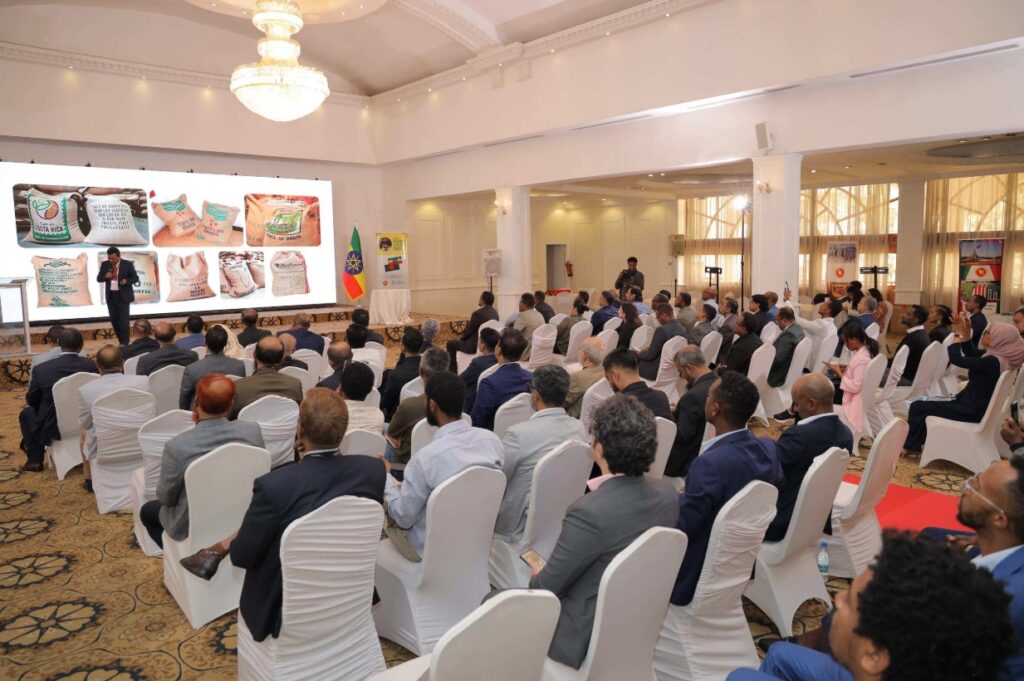
Bangladeshi ceramic exporters can showcase their products, meet Nigerian buyers and join B2B meetings at the Africa–Bangladesh Trade Show & Business Summit, taking place on 6–7 October 2026 in Abuja, Nigeria.
Prepare Professional Sales Materials
Exporters should prepare a company profile, catalogue, price list and product data sheet. They should also include minimum order quantity, lead time, packaging details and payment terms.
Furthermore, photos should be clear and accurate. Product sizes, weights and colours must match the actual goods.
Offer Samples and Trial Orders
A large first order may feel risky for a new buyer. Therefore, exporters can begin with samples or a small trial shipment.
This approach allows both sides to test quality, packaging, shipping and customer response. If the trial is successful, the buyer may place larger repeat orders.
Main Challenges for Ceramic Exporters
Shipping cost is one of the biggest challenges. Ceramic products are often heavy, bulky and fragile. Therefore, the final landed price can be much higher than the factory price.
Breakage is another risk. Poor packing may lead to damaged goods and buyer complaints. As a result, exporters should test cartons and loading methods before shipment.
Rules may also differ by country. Buyers may ask for test reports, inspection papers, certificates of origin or product compliance documents. Therefore, exporters should confirm all requirements before starting production.
Finally, payment risk must be managed carefully. Secure bank terms, advance payment, letters of credit or suitable insurance should be considered for new buyers.
Common Mistakes to Avoid
One common mistake is using the same sales plan for every African country. Instead, exporters should create a separate plan for each market.
Another mistake is competing only through low prices. Buyers also value steady quality, strong packaging and fast communication.
In addition, some companies quote prices without checking freight, duties and handling costs. Therefore, every quotation should be based on the full export cost.
Exporters should also avoid making claims they cannot prove. Product details, test results and delivery times must always be accurate.
Frequently Asked Questions
Does Bangladesh export ceramic products?
Yes. Bangladesh exports tableware, tiles, sanitary ware and other ceramic goods. EPB recorded about USD 349.73 million in ceramic product export earnings in FY 2023–24.
Which ceramic products may sell well in Africa?
Tableware, tiles, sanitary ware and decorative ceramics may have potential. However, the right product will depend on the target country and buyer group.
How can exporters find African buyers?
Exporters can use trade shows, chambers, business forums, B2B meetings, online research and direct contact with importers. However, each buyer must be checked before doing business.
What is the main risk in ceramic export?
The main risks include high shipping costs, breakage, payment problems and changing import rules. Therefore, careful planning is essential.
Should exporters target all African countries?
No. It is better to begin with one or two markets. After gaining experience, the company can expand to nearby countries.
Conclusion
Ceramics export from Bangladesh to Africa can become a valuable source of growth for Bangladeshi manufacturers. The country already has production capacity, export experience and a wide product range. At the same time, African cities need more housing, hotels, offices and public facilities.
However, success will require more than a low price. Exporters must choose the right country, understand buyer needs and prepare suitable products. They must also manage packaging, shipping, rules and payment risks.
Therefore, manufacturers should begin with careful research and verified buyer connections. With the right plan, Bangladesh can become a trusted source of tableware, tiles, sanitary ware and decorative ceramics for African markets.
Ready to explore ceramic export opportunities in Africa? Connect with the Africa Bangladesh Business Forum for business networking, market links, B2B meetings and Africa-focused trade events. Visit Africa Bangladesh Business Forum to begin your market expansion.
You May Also Like