












Ethiopia
A Rising Manufacturing & Trade Hub in East Africa
Ethiopia is one of Africa’s fastest-growing economies, emerging as a competitive manufacturing and sourcing destination driven by industrial parks, cost-efficient labor, and strong government support for exports. It offers attractive opportunities for global buyers, exporters, investors, and logistics partners seeking access to East Africa.
Region
East Africa
Population
126 million (2024 est.)
GDP
USD 160 billion (2023)
Currency
Ethiopian Birr (ETB)
Top Export
Coffee
Ease of Doing Business
Industrial & investment reforms ongoing
Country Profile
Ethiopia has positioned itself as a rising manufacturing base in Africa, supported by state-led industrialization, export-oriented policies, and competitive production costs
- Export Strength: Leading African exporter of coffee, oilseeds, pulses, flowers, and growing apparel & textile exports.
- Cost Advantage: One of Africa’s most competitive labor markets for manufacturing.
- Manufacturing Ecosystem: Government-developed industrial parks, export-focused factories, and integrated supply zones.
- Trade Access: Preferential access to the EU, UK, USA (AGOA-conditional), and regional African markets.
- Workforce: Large, young population with increasing technical and vocational training.
Proof Points:
Exports: $4B+ | Industrial Parks: 20+ | Manufacturing Workforce: 2M+
Economy Snapshot
Economic Overview
Ethiopia follows a state-led development model with strong focus on manufacturing, agriculture, infrastructure, and export diversification. The government actively promotes industrial parks, foreign direct investment, and regional trade integration.
Key Drivers
- Export-oriented manufacturing
- Low-cost and abundant labor force
- Industrial parks & infrastructure development
- Strong agricultural production base
- Regional trade connectivity in East Africa
Key Industries & Sectors
Leading Sectors
Coffee & Agricultural Commodities
World-renowned Arabica coffee producer Export Value: $1.5B+ Top Markets: EU, USA, Middle East
Textiles & Apparel
Rapidly expanding export sector Export Value: $500M+ Top Markets: EU, USA
Oilseeds & Pulses
Sesame, chickpeas, lentils, soybeans Export Value: $1B+ Top Markets: China, Middle East, EU
Leather & Leather Goods
Large livestock base supporting leather exports Export Value: $400M+ Top Markets: EU, Asia
Floriculture
One of Africa’s largest flower exporters Export Value: $600M+ Top Markets: EU
Agro-Processed Food
Processed grains, edible oils, food ingredients Export Value: $300M+ Top Markets: Africa, Middle East
Business Opportunities
Opportunities for African Buyers
- Competitive sourcing options with global export capacity
- High volume manufacturing for apparel, textiles, and processed goods
- Export-ready suppliers with compliance certifications in key sectors
- Value-for-money production cost advantages
Opportunities for Local Businesses
- Access to South Asian and global supply chains
- Distribution or representation partnerships
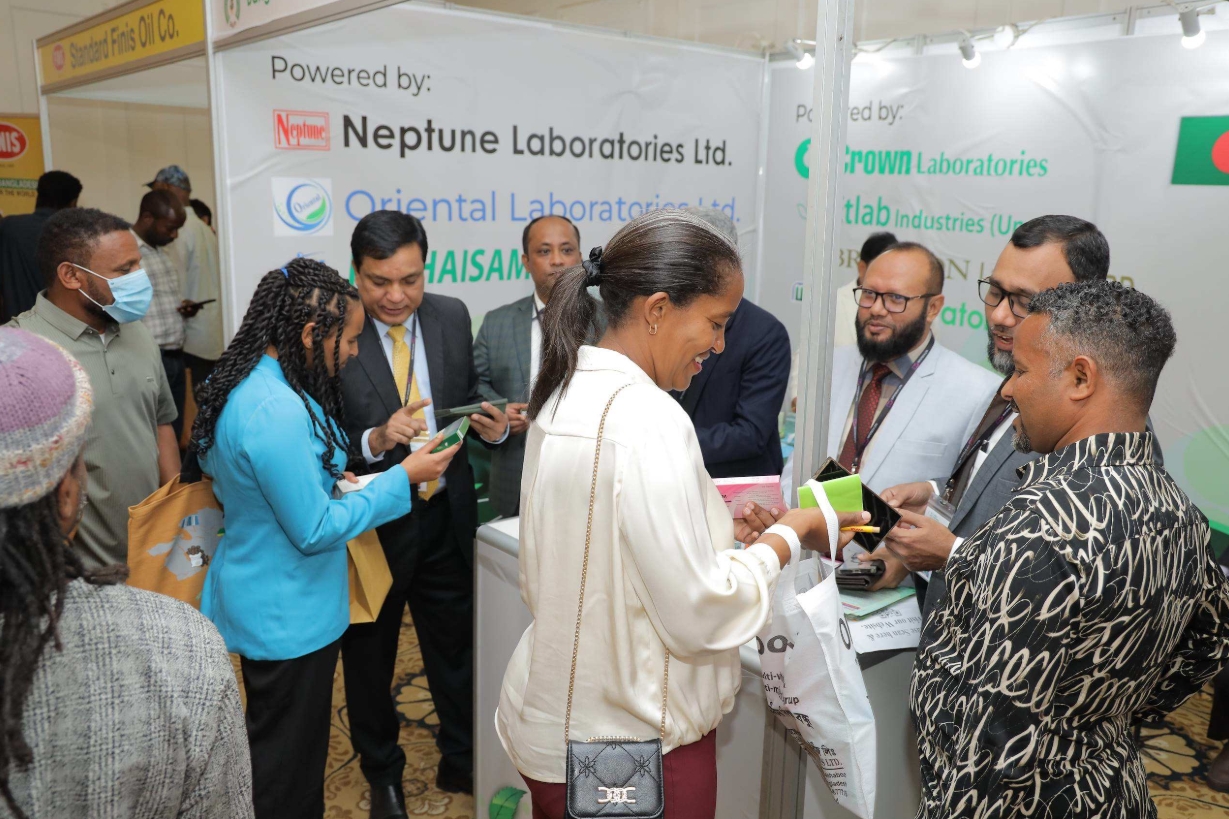
- Participation in buyer-seller matchmaking events
- Long-term collaboration for export planning
Ethiopia ↔ Global Trade Overview
Ethiopia plays an important role in regional and global supply chains, exporting agricultural and light manufactured goods while importing machinery, industrial inputs, and consumer products.
Trade Highlights
- Annual trade volume: $25B+
- Export growth: Gradual recovery & diversification
- Key partners: EU, China, USA, Middle East, Africa
Major Trade Flows
What the World Imports from Ethiopia
Africa imports a wide range of high-quality, competitively priced manufactured goods from Bangladesh. With strong capabilities in apparel, pharmaceuticals, and light manufacturing, Bangladesh has become a reliable sourcing partner for African buyers seeking consistency, scale, and value across multiple sectors.

Coffee

Oilseeds & pulses

Leather & leather products

Flowers

Apparel & textiles
What Ethiopia Imports from the World
Africa offers Bangladesh access to essential raw materials and natural resources that support industrial growth and export production. From agricultural commodities to minerals and energy inputs, African markets present strong sourcing opportunities that complement Bangladesh’s manufacturing and processing industries.

Machinery & equipment

Petroleum products

Chemicals & fertilizers

Pharmaceuticals

Industrial inputs
Trade Benefits & Competitive Advantages
Why Source from Ethiopia
- Competitive production and labor costs
- Strong agricultural raw material base
- Export-oriented industrial parks
- Preferential trade access to key markets
Why Sell into Ethiopia
- Large and growing consumer base
- Rising industrial and infrastructure demand
- Manufacturing input dependency
- Long-term industrialization strategy
Trust Signals:
ABBF Verified • Export Ready • Industrial Park Suppliers
How ABBF Supports Business in Ethiopia
ABBF connects international buyers, exporters, and investors with verified Ethiopian businesses through structured trade facilitation.
Our Services
- Verified supplier & buyer matchmaking
- Market entry advisory
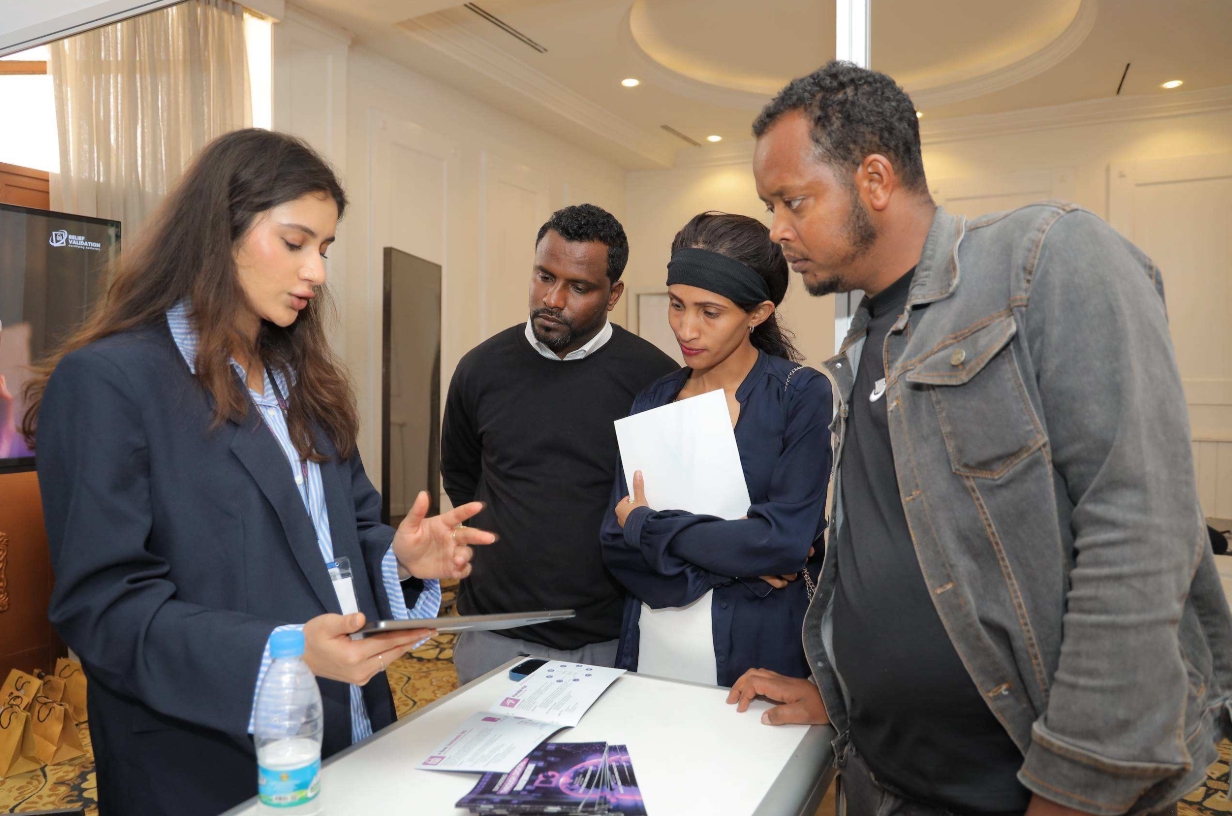
- Trade missions & business events
- Investment facilitation
- Logistics & compliance support
How It Works
- Join ABBF
- Submit B2B Match Form
- Get Matched with Verified Partners
Past Events
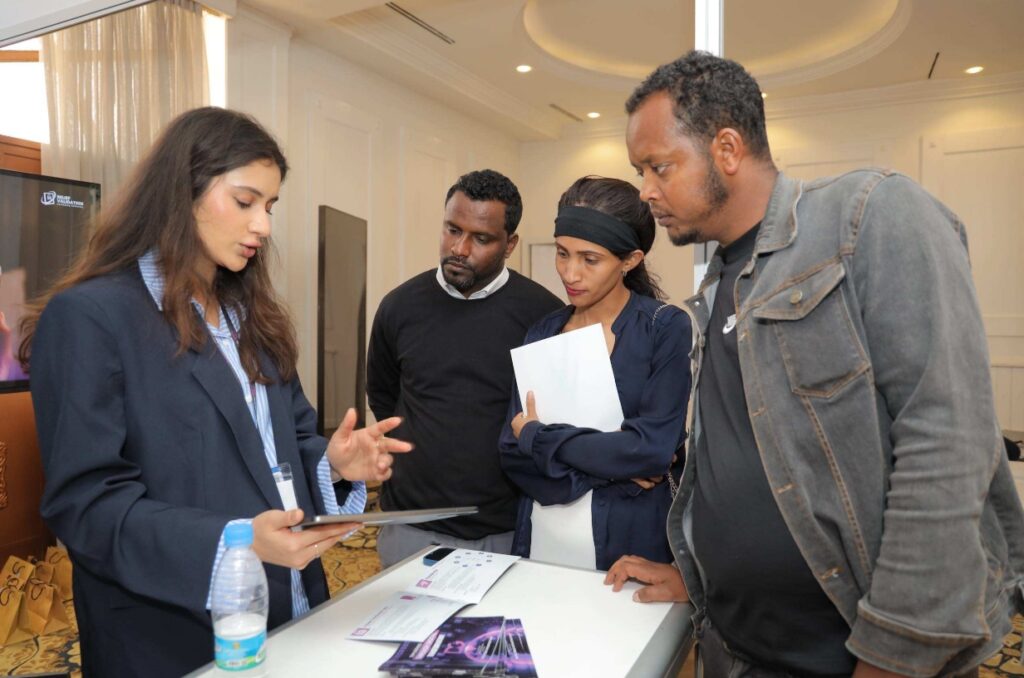
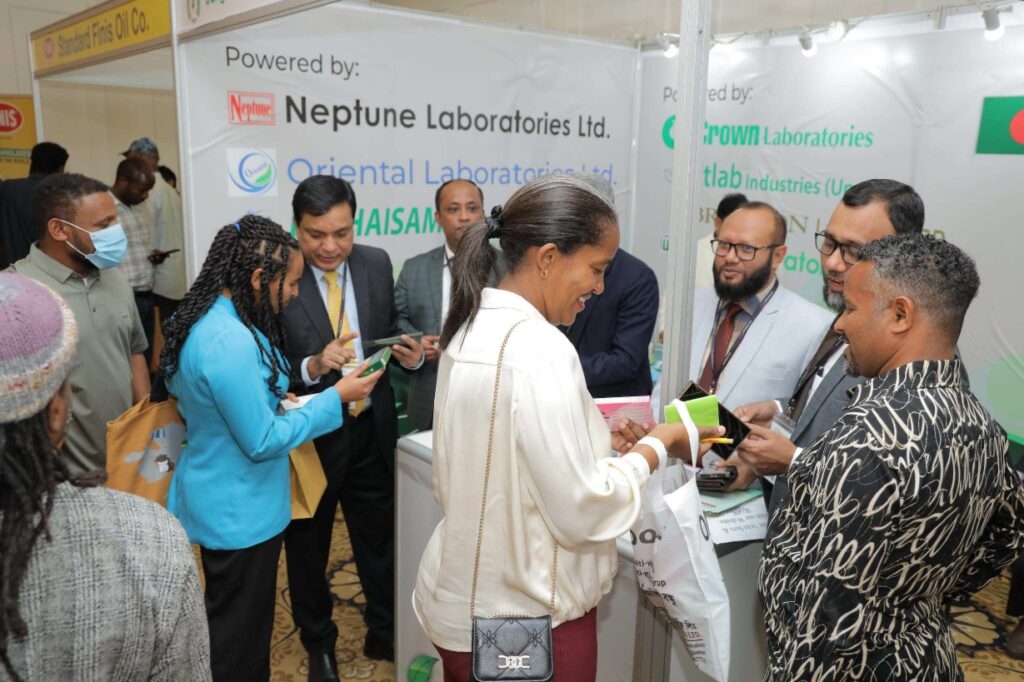
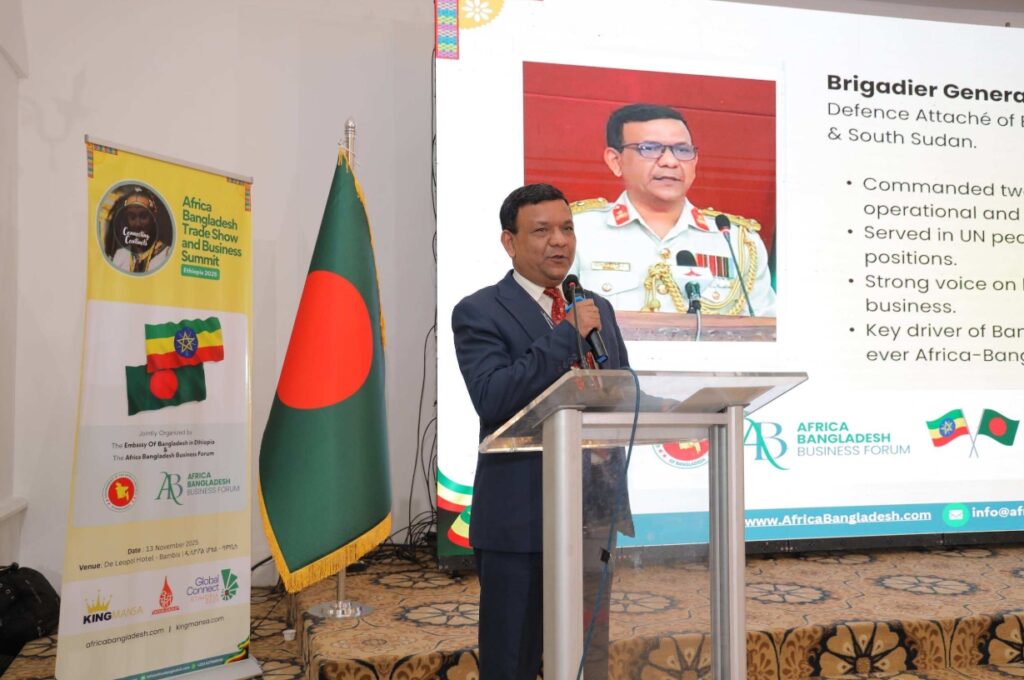
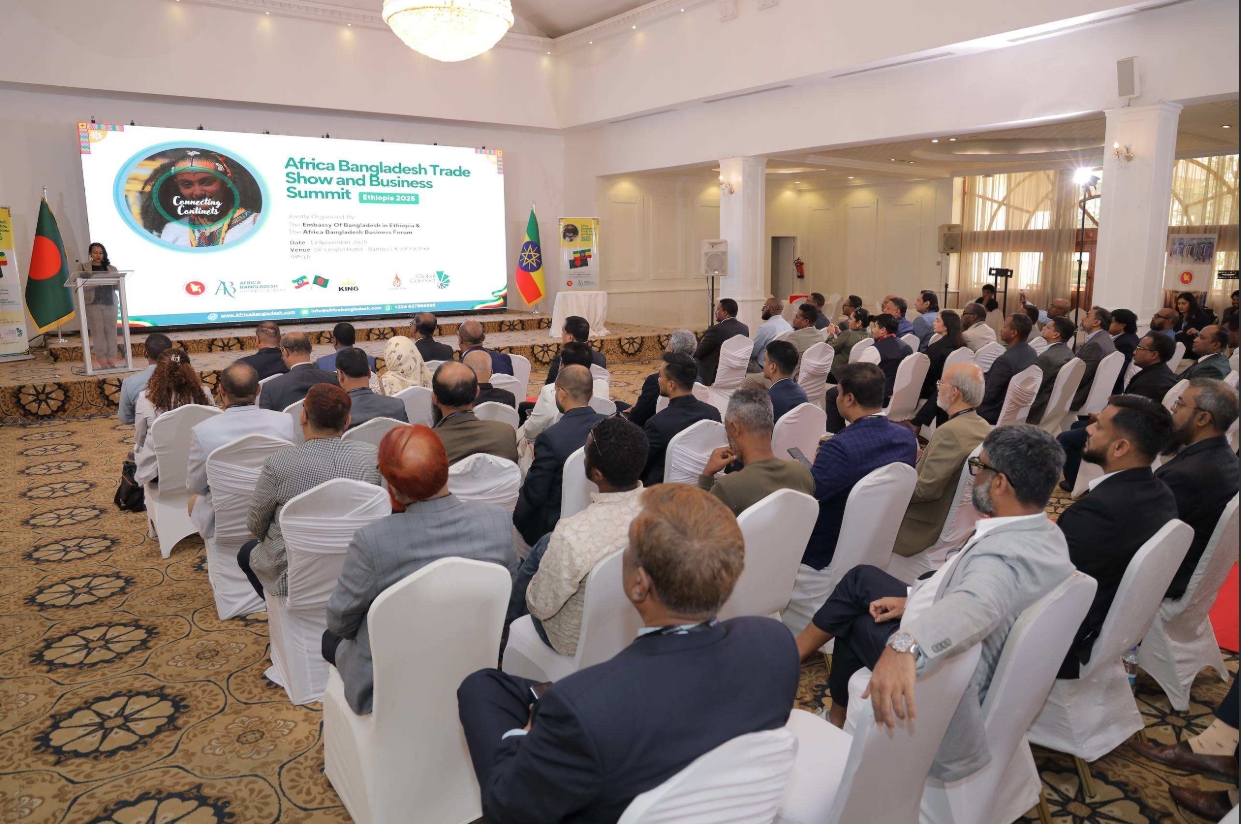
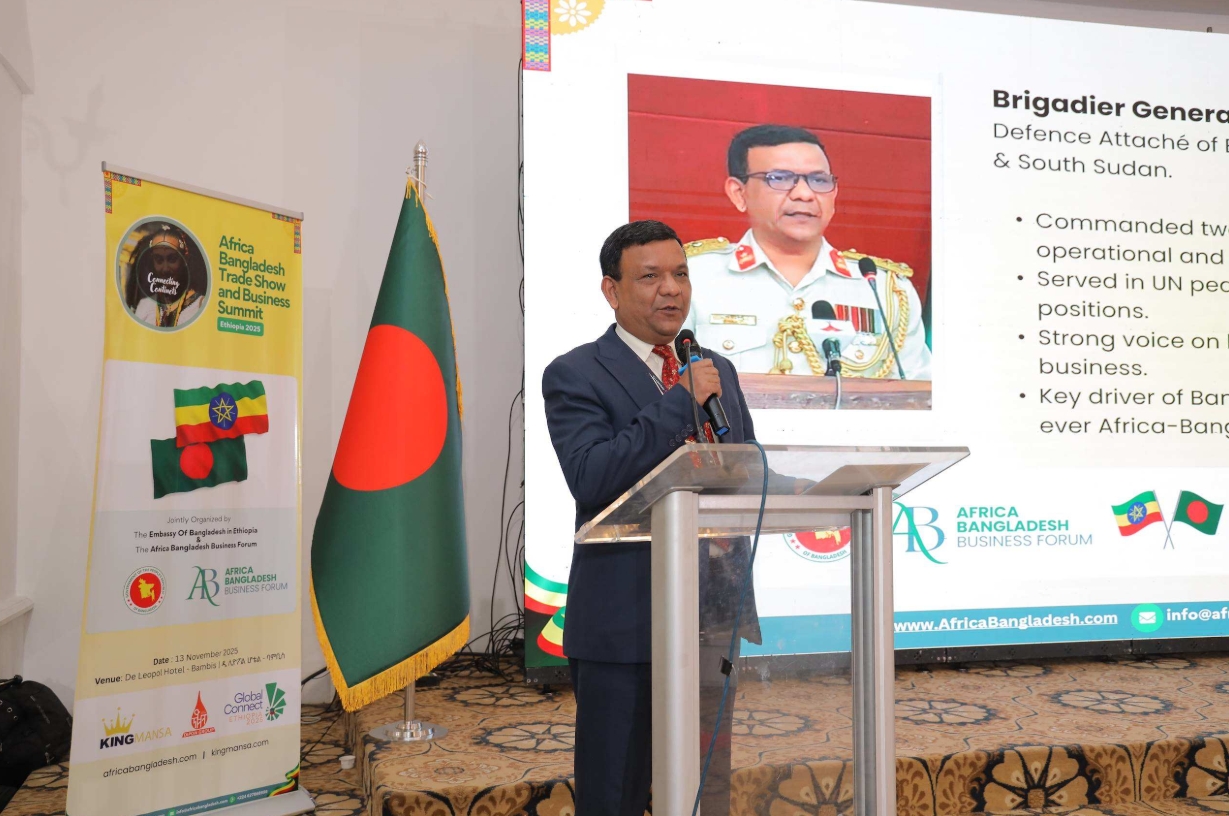
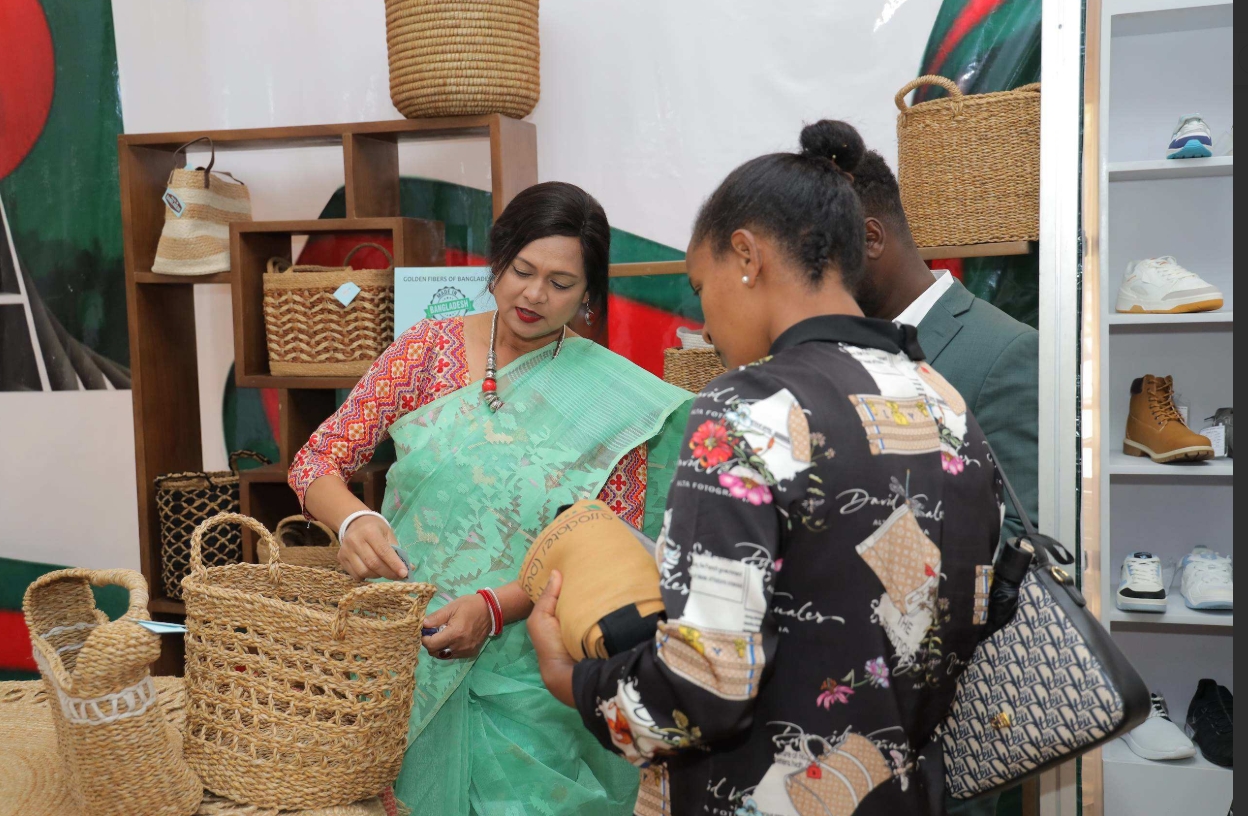
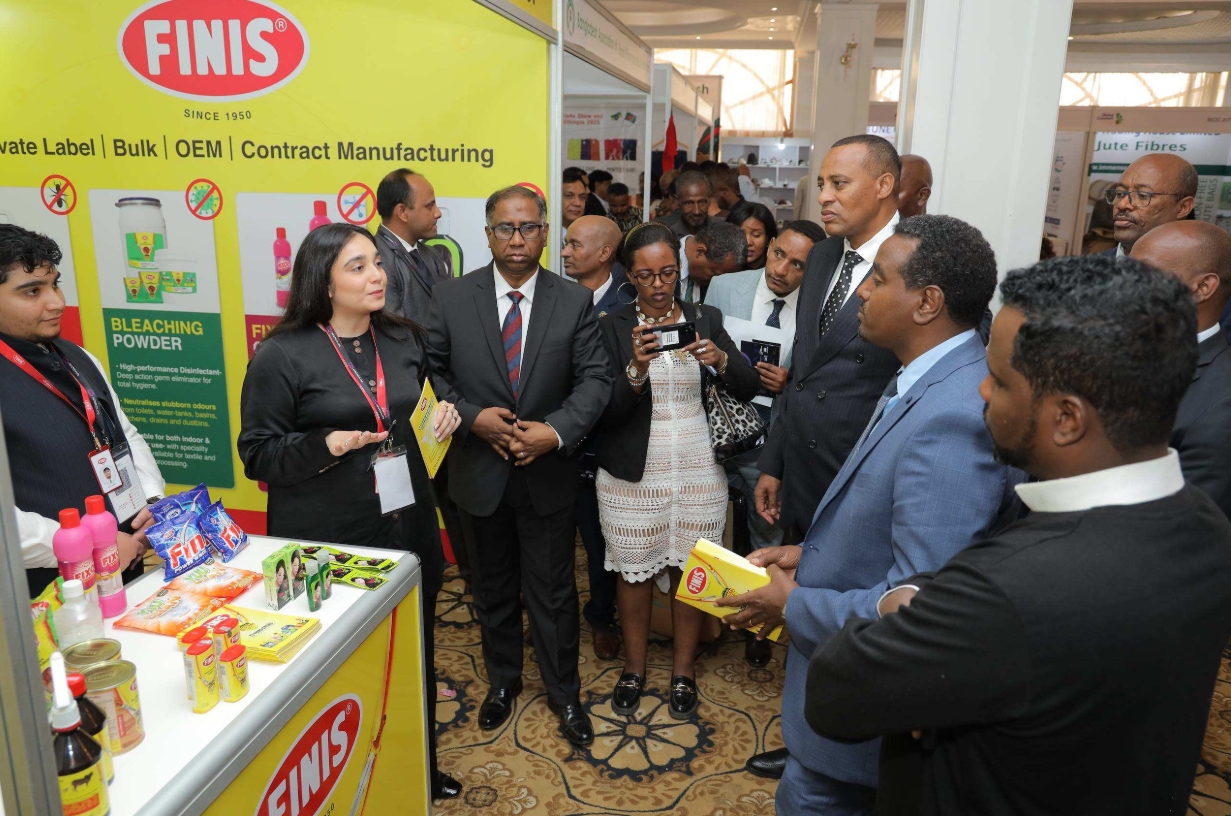
- Africa Bangladesh Trade Show and Business Summit Ehieopia 2025
Upcoming Events
- Africa Bangladesh Trade Show and Business Summit Nigeria 2026
Who Should Explore This Market?
International Buyers
Source agricultural and manufactured goods from verified Ethiopian suppliers
Ethiopian Exporters
List Products and access global buyers
Investors
Explore manufacturing, agro-processing, and industrial park opportunities
Logistics & Trade Service Providers
Support Ethiopia’s growing cross-border trade