


Africa Emerges as a Major Cotton Supply Partner for Bangladesh in 2024–25
Bangladesh’s textile and ready-made garment industry continues to be one of the strongest pillars of the country’s export economy. But behind this global apparel success story lies one critical dependency: imported cotton.
In the 2024–25 marketing year, Africa strengthened its position as one of the most important cotton sourcing regions for Bangladesh. According to USDA-linked cotton market assessments, African countries supplied more than 40% of Bangladesh’s cotton imports during the August 2024 to July 2025 season. This marks a significant development in Africa-Bangladesh trade relations and highlights the growing importance of African suppliers in the global textile value chain.
For Bangladesh, this shift is not only about sourcing raw materials. It also reflects a larger opportunity to build stronger trade partnerships with African economies, especially in agriculture, textiles, logistics, and manufacturing.
Bangladesh’s Cotton Demand Continues to Grow
Bangladesh is one of the world’s leading ready-made garment exporters. The country produces knitwear, woven garments, T-shirts, trousers, underwear, denim, sweaters, and many other apparel products for major international markets.
However, Bangladesh produces only a small portion of the cotton it needs domestically. The local cotton output remains limited compared to the huge demand from spinning mills, textile factories, and garment manufacturers. As a result, Bangladesh depends heavily on imported cotton to keep its textile ecosystem active.
In the 2024–25 marketing year, Bangladesh imported around 8.05 million bales of cotton. This increase reflects the recovery and continued strength of the textile and apparel sector, which remains a major employment and export driver for the country.
Ready to explore business opportunities between Africa and Bangladesh?
Join the Africa Bangladesh Business Forum and connect with exporters, buyers, investors, and trade partners across both regions.
Africa’s Share Reaches Over 40%
One of the most important highlights of the 2024–25 season was Africa’s growing contribution to Bangladesh’s cotton supply. African suppliers accounted for around 41% of Bangladesh’s total cotton imports, equal to more than 3.3 million bales.
Key African cotton-supplying countries include:
Benin, Cameroon, Burkina Faso, and Mali.
These countries have become increasingly relevant to Bangladeshi buyers because of their competitive pricing, improving cotton fiber quality, and growing reliability in supply. For Bangladeshi textile mills, African cotton offers a practical sourcing option in a market where price, quality, and timely shipment are all critical.
Outside Africa, Brazil and India also remained important cotton suppliers to Bangladesh. But Africa’s rising market share shows that the continent is no longer a secondary sourcing region. It is becoming a strategic cotton partner for Bangladesh.
Why African Cotton Matters for Bangladesh
The rise of African cotton in Bangladesh’s import mix is important for several reasons.
First, it supports Bangladesh’s textile production at a time when global apparel demand remains highly competitive. Cotton is a core input for many export-oriented garment products, so stable sourcing directly affects Bangladesh’s export capacity.
Second, African cotton helps Bangladesh diversify its supply chain. Depending too much on a few supplier countries can create risks related to price fluctuations, shipping disruptions, or policy changes. A stronger Africa-Bangladesh cotton route gives Bangladeshi buyers more flexibility.
Third, this trend creates space for deeper business cooperation between African producers and Bangladeshi textile companies. Beyond raw cotton imports, both sides can explore partnerships in spinning, textile processing, logistics, warehousing, and value-added manufacturing.
EU Market Access Strengthens Bangladesh’s Textile Position
Bangladesh’s garment sector also benefits from strong access to the European Union, one of its largest apparel export markets. The EU remains a major destination for Bangladeshi garments, and duty-free access has helped the country stay competitive against other apparel-exporting nations.
This market advantage increases Bangladesh’s need for reliable cotton sourcing. As garment exports grow, the demand for raw cotton, yarn, fabric, and other textile inputs will continue to remain strong.
For African cotton producers, this creates a long-term opportunity. By supplying cotton to Bangladesh, African countries indirectly become part of the global apparel value chain that connects African agriculture with European and international consumer markets.
West Africa’s Industrial Ambition Could Change Future Trade
While Africa is currently a major cotton supplier to Bangladesh, the future trade pattern may gradually change. Several West African countries are working to process more cotton locally instead of exporting raw cotton only.
Benin, for example, has ambitious plans to expand domestic textile and apparel manufacturing. The development of industrial zones and integrated textile factories could allow African countries to capture more value from their cotton production.
This may reshape cotton export flows in the long term. If more African cotton is processed locally, Bangladesh and African countries may need to explore new forms of partnership beyond raw cotton trade. This could include joint ventures, technology exchange, textile investment, machinery supply, skills development, and apparel manufacturing collaboration.
A Bigger Opportunity for Africa-Bangladesh Trade
The growing role of Africa in Bangladesh’s cotton imports shows that Africa-Bangladesh trade has strong potential beyond traditional product categories.
Bangladesh has a world-class garment manufacturing base, while Africa has strong agricultural resources and a growing interest in industrial development. Together, both regions can build a more balanced and mutually beneficial trade relationship.
For Bangladesh, Africa offers raw materials, new markets, and investment opportunities. For Africa, Bangladesh offers textile expertise, manufacturing knowledge, export experience, and potential partnerships in value-added industries.
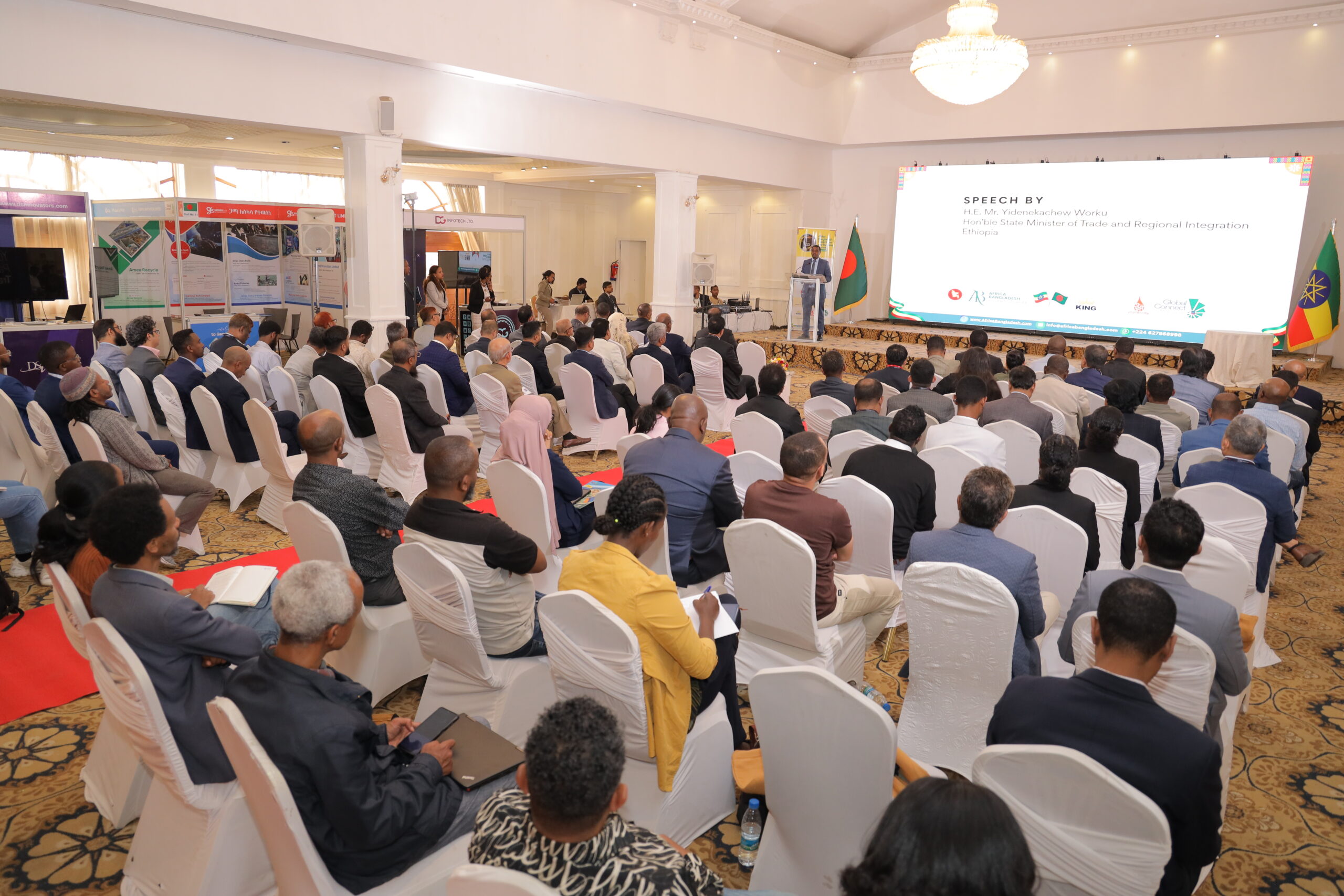
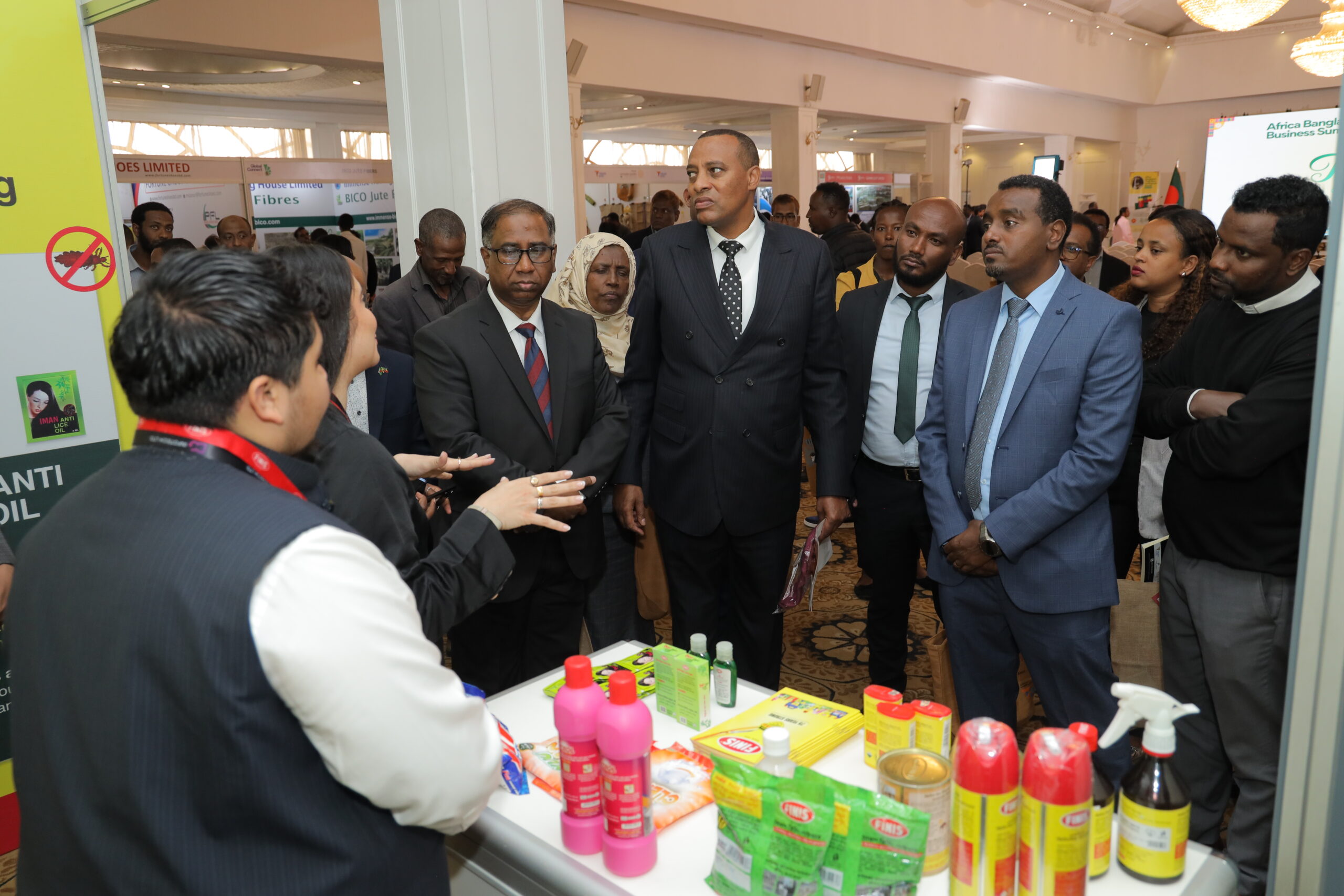
This is where platforms like the Africa Bangladesh Business Forum can play an important role. ABBF works to connect businesses, exporters, buyers, investors, and institutions from both regions through trade events, business networking, and B2B matchmaking.
Ready to explore business opportunities between Africa and Bangladesh?
Join the Africa Bangladesh Business Forum and connect with exporters, buyers, investors, and trade partners across both regions.
Long-Term Demand Remains Strong
Bangladesh’s cotton consumption is expected to remain high because of the country’s large textile manufacturing base. With thousands of textile and garment companies and millions of workers employed in the sector, cotton will continue to be a strategic import item.
As the industry expands and moves toward higher-value production, the need for stable and diversified cotton sourcing will become even more important.
For African cotton-producing countries, Bangladesh represents a major and long-term market. For Bangladeshi businesses, Africa represents not just a supplier base, but a future partner in trade, industry, and investment.
Conclusion
Africa’s growing share in Bangladesh’s cotton imports is a strong signal of changing global textile supply chains. The 2024–25 cotton trade data shows that African countries are becoming increasingly important to Bangladesh’s garment and textile industry.
This trend creates new opportunities for both sides. Bangladesh can strengthen its supply chain through diversified sourcing, while African economies can deepen trade partnerships and explore value-added textile development.
As Africa and Bangladesh continue to build stronger business connections, cotton trade may become one of the most important foundations for future cooperation.
ABBF remains committed to supporting this growing partnership by helping businesses from Africa and Bangladesh connect, trade, and grow together.
You May Also Like