How Bangladesh Became Nigeria’s Most Trusted Garment Source
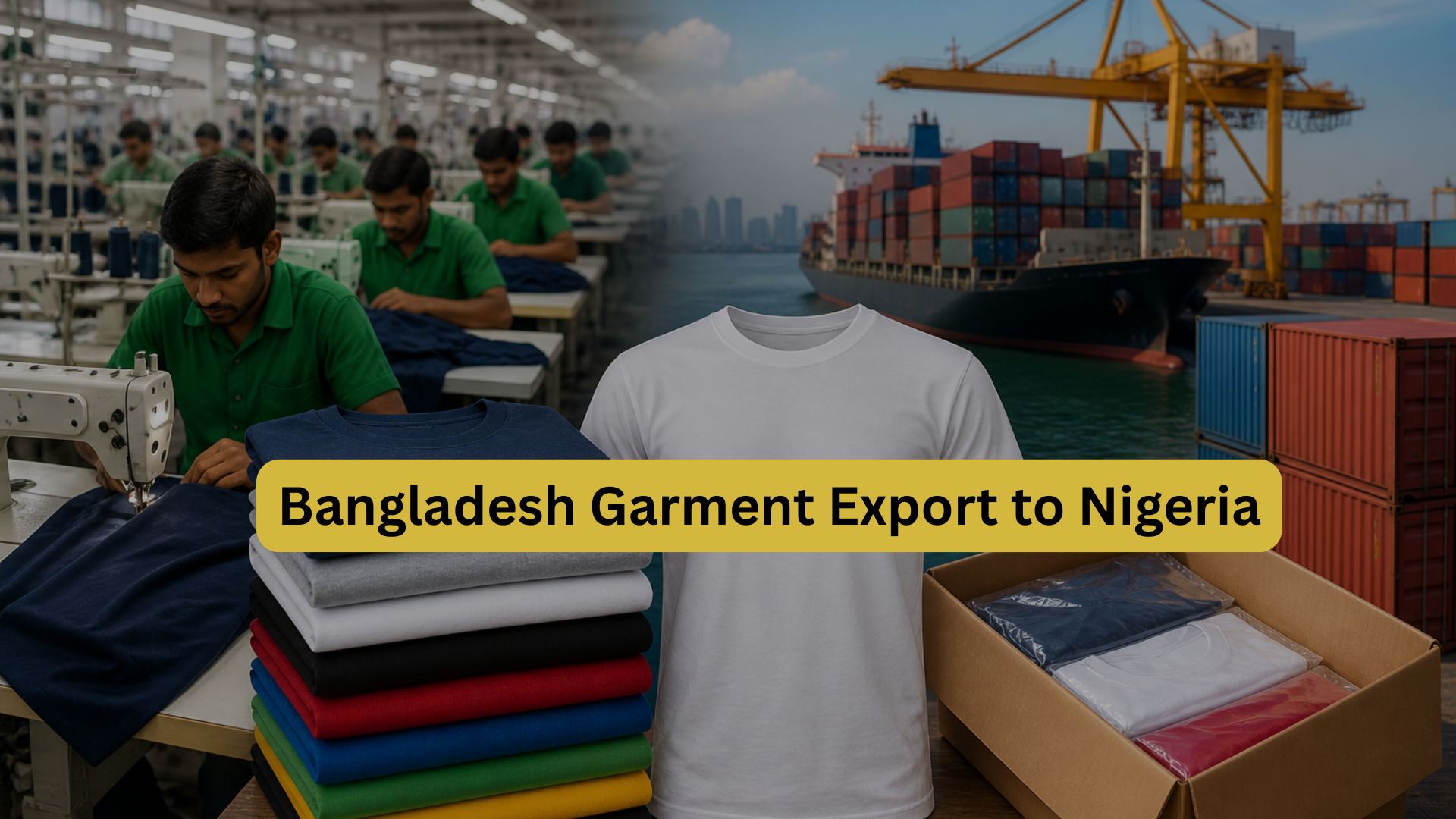
Nigeria is Africa’s largest economy with over 220 million people, a booming retail sector, and a growing demand for affordable, high-quality clothing. And when Nigerian buyers go looking for garments at scale, one country consistently rises to the top: Bangladesh. The Bangladesh garment export to Nigeria market has grown steadily over the past decade. Today, Bangladeshi RMG (Ready-Made Garments) products are among the most in-demand imports in Nigeria’s textile and fashion industry.
But how did this happen? What makes Bangladeshi garments in Nigeria such a trusted choice — over suppliers from China, India, or even within Africa itself?
Let’s break it down.
Price beats everything
Bangladeshi garments offer global quality at the lowest cost
Scale on demand
factories handle orders from 5,000 to 500,000 units
Already global
brands like H&M, Zara & Walmart trust Bangladeshi factories
1. Unbeatable Pricing for the Nigerian Market
Nigerian importers operate in a price-sensitive market. Margins matter. And when it comes to affordable garment sourcing from Bangladesh, few countries can compete.
Bangladesh has one of the lowest garment production costs in the world. This allows Bangladeshi manufacturers to offer Nigerian buyers high-quality RMG products at prices that European or Chinese suppliers simply cannot match at the same standard.
For Nigerian wholesalers and retailers, that cost advantage translates directly into profit making Bangladesh garment imports to Nigeria a financially smart decision.
2. Production Scale That Meets Nigeria’s Demand
Nigeria is a high-volume market. Small orders don’t cut it for large distributors and retail chains.
Bangladesh is the world’s second-largest garment exporter, with a manufacturing infrastructure built for scale. Whether a Nigerian buyer needs 5,000 units or 500,000 units, Bangladeshi factories can deliver consistently, on time, and to specification.
This large-scale production capacity is one of the biggest reasons Nigerian garment importers prefer Bangladesh over smaller manufacturing hubs. The supply never dries up, and lead times remain reliable.
3. Quality That Has Earned Global Trust
The phrase “Made in Bangladesh” once raised questions. Today, it carries genuine weight.
Bangladeshi garments are manufactured for some of the world’s biggest fashion brands, such as H&M, Zara, Walmart, and more. The same factories producing for global giants are also supplying Nigerian garment importers at prices that make it accessible.
Nigerian buyers who first approached Bangladesh RMG suppliers with caution quickly found that stitching, fabric quality, and finishing standards were not just acceptable they were impressive. That reputation now travels by word of mouth across Nigeria’s import trade community.
4. A Product Range That Covers Every Category
Nigeria’s garment market is diverse. Demand spans casual wear, corporate uniforms, school clothing, sportswear, and workwear.
Bangladeshi garment manufacturers produce across all of these categories: knitwear, woven garments, denim, activewear, and more. This versatility means Nigerian buyers sourcing from Bangladesh can consolidate their imports, working with fewer suppliers while meeting a wide range of customer needs.
One source. Multiple product categories. That’s a major operational advantage.
5. Ethical Standards That Modern Buyers Demand
Ethical sourcing is no longer just a Western concern. Nigerian businesses building long-term brands increasingly care about where and how their products are made.
Bangladesh’s RMG sector has undergone significant reform over the last decade, improving factory safety, worker welfare, and compliance with international standards. Many Bangladeshi garment exporters now hold globally recognized certifications that provide Nigerian buyers with confidence in their supply chain.
For Nigerian importers thinking long-term, this matters more than ever.

6. How ABBF Connects Nigerian Buyers to Bangladeshi Garment Suppliers
Knowing that Bangladesh is the right garment source for Nigeria is one thing. Finding the right verified supplier, reliable, compliant, and aligned with your business needs, is another challenge entirely.
That’s exactly what Africa Bangladesh Business Forum (ABBF) solves.
ABBF is a dedicated B2B platform that connects Nigerian importers and African businesses directly with verified Bangladeshi RMG manufacturers and exporters. Through trade summits, direct B2B matchmaking, and a growing cross-continental network, ABBF removes the uncertainty from Bangladesh-Nigeria garment trade.
In 2025, ABBF brought together business leaders across Africa and Bangladesh in Addis Ababa, Ethiopia. The partnerships formed there are already producing results. In 2026, we’re going further.
If you’re a Nigerian buyer looking to source garments from Bangladesh, ABBF is your bridge.
Sell Your Bangladeshi Garments to Nigerian Buyers on Kingmansa
Kingmansa — a global B2B marketplace gives Bangladeshi garment manufacturers and exporters direct access to Nigerian buyers who are actively looking to source RMG products. List your products. Reach verified international buyers. Close deals — without the complexity of traditional export channels. Nigeria is ready for what Bangladesh makes. Kingmansa is where that deal starts.
👉 List your products on Kingmansa → www.kingmansa.com
Conclusion
Bangladesh garment exports to Nigeria didn’t grow by accident. They grew because Bangladeshi manufacturers consistently delivered on price, quality, scale, and reliability, earning the trust of Nigerian buyers one shipment at a time.
For Nigerian businesses ready to tap into that supply chain, the opportunity has never been clearer. And for those who want a trusted, established platform to make that connection — ABBF is here.
Ready to source Bangladeshi garments for the Nigerian market?
👉 Visit www.africabangladesh.com 📧 Connect through ABBF’s B2B matchmaking platform
Africa Bangladesh Business Forum — Connecting Africa Bangladesh.
You May Also Like