

Top 5 Products Bangladesh Can Export to Nigeria: A Strategic Market Guide (2026)
Nigeria is Africa’s largest economy and most populous nation and Bangladesh export to Nigeria remains one of the most underleveraged trade opportunities in the Global South today. According to the UN COMTRADE database, Nigeria’s total imports from Bangladesh stood at only USD 10.19 million in 2023 a fraction of what the bilateral relationship could be.
Both governments are taking notice. A Memorandum of Understanding (MoU) between the Federation of Bangladesh Chambers of Commerce and Industry (FBCCI) and the Nigerian Association of Chambers of Commerce (NACCIMA) was signed in September 2021. The Dhaka Chamber and Lagos Chamber also signed a bilateral MoU in 2020, signalling strong institutional momentum.
Bangladesh’s export machine is firing on all cylinders: total exports hit approximately USD 57.5 billion in 2024, up from USD 42.1 billion in 2020 a 36.7% increase in four years (Tendata, 2024). Now is the time for Bangladeshi businesses to pivot toward West Africa’s largest economy.
Why Bangladesh Export to Nigeria Is a Game-Changing Opportunity in 2026
Nigeria has over 220 million people, a rapidly growing urban middle class, and significant import dependency across key sectors from garments and pharmaceuticals to eco-friendly packaging and home goods. Meanwhile, Bangladesh has built world-class manufacturing capacity at highly competitive prices. The match is almost too obvious.
Yet this trade corridor remains dramatically underdeveloped. That gap is the opportunity. For Bangladeshi exporters willing to enter early, Nigeria offers a first-mover advantage in a market that is only going to grow.
Trade Networking Platform
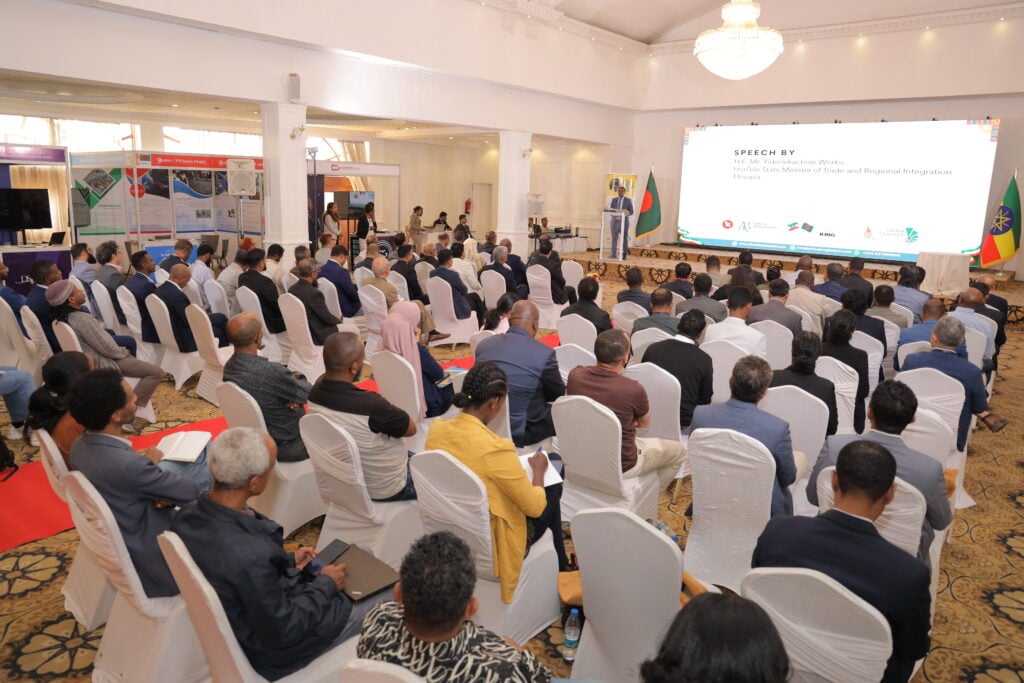
Africa Bangladesh Business Forum (ABBF)
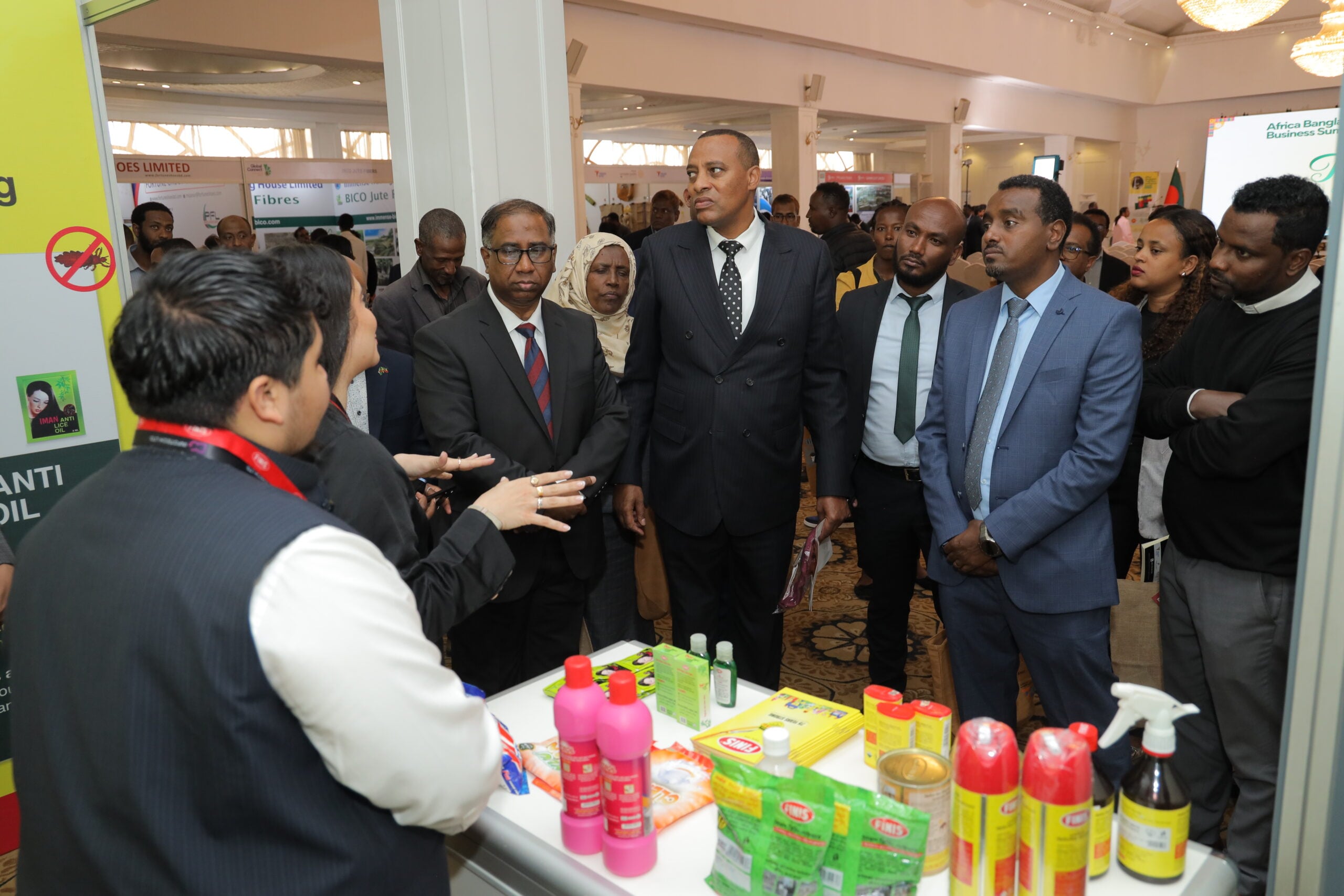
ABBF is the leading business networking platform connecting Bangladeshi exporters with verified importers, buyers, and trade partners across Africa — including Nigeria, Kenya, South Africa, and Egypt. From B2B matchmaking events to trade roadshows, ABBF helps you find the right partners to take your export business to the next level.
The Top 5 Products: A Sector-by-Sector Breakdown
1. Ready-Made Garments (RMG) : BD Apparel for the Nigerian Consumer Market
Why it works: Nigeria’s expanding retail sector and young, fashion-conscious population have created surging demand for affordable, quality clothing. Bangladesh is the world’s second-largest garment exporter, with the RMG sector accounting for approximately 84% of total export revenues in 2024 (Tendata).
Nigeria is already identified by the Africa Bangladesh Business Forum (ABBF) as one of the top four African nations consistently importing Bangladeshi RMG — alongside Kenya, South Africa, and Egypt. The ECOWAS region, of which Nigeria is the dominant economy, represents a massive combined consumer base.
What to export: T-shirts, knitwear, woven shirts, trousers, and casual wear. Bangladesh is the world’s largest exporter of men’s shirts and textile fibre (Eximpedia).
Competitive edge: Bangladeshi garments are price-competitive, internationally certified (WRAP and BSCI compliant), and designed for tropical climates — a perfect fit for Nigeria’s weather.
Resource:BGMEA – Bangladesh Garment Manufacturers and Exporters Association
2. Pharmaceutical Products : Affordable BD Medicines for Nigeria’s Healthcare Sector
Why it works: Nigeria is the second-largest pharmaceutical market in Africa, supplying over 60% of drugs consumed in the West African sub-region (Africa Business Pages). The Nigerian pharmaceutical market was estimated at approximately USD 4.92 billion in 2024 (Fact.MR) — and it is heavily import-dependent, primarily drawing from India and China.
This is a golden opening. Bangladeshi companies like Beximco Pharma, Square Pharmaceuticals, and Incepta are globally recognised for producing high-quality generic drugs at competitive prices, and the country already exports pharmaceuticals to over 150 countries.
Nigeria imports nearly USD 643 million worth of pharmaceutical products annually (Coherent Market Insights, 2024), with generic drugs projected to hold 79.2% of market share in 2026 — exactly the segment where Bangladeshi manufacturers excel. Boosting Bangladesh’s export to Nigeria in pharma could realistically capture a meaningful slice of this import bill within a few years.
High-demand products include antimalarials, antibiotics, antihypertensives, and OTC medicines.
Key regulatory step: All products must be registered with Nigeria’s NAFDAC (National Agency for Food and Drug Administration and Control). A local registered partner is essential for market entry.
Resource:Export Promotion Bureau (EPB) Bangladesh|NAFDAC Nigeria
3. Jute and Jute Products : Sustainable BD Goods for Nigeria’s Agricultural & Packaging Sector
Why it works: Bangladesh is the world’s largest producer and exporter of jute — the “golden fibre.” Jute and jute-based goods account for approximately 7% of Bangladesh’s total export earnings, spanning jute bags, yarn, hessian cloth, sacking, and eco-friendly packaging (Importglobals, 2024).
Nigeria is perfectly positioned to absorb these products for two reasons:
- Agricultural packaging demand Nigeria’s large agricultural sector (cocoa, palm oil, cassava) requires substantial quantities of sacks and bags for commodity storage and transport.
- Global sustainability wave With 127 nations now enforcing plastic bag restrictions (DHL Express BD), demand for biodegradable jute alternatives is growing rapidly across Africa.
The Bangladesh High Commission in Abuja explicitly lists jute products as one of Bangladesh’s primary export offerings to Nigeria (Bangladesh High Commission, Abuja).
What to export: Jute bags, raw jute, jute yarn, hessian cloth, geo-textiles, and decorative jute items.
Resource:Bangladesh Jute Mills Corporation|WTO – Bangladesh Export Potential
4. Leather Goods and Footwear : Quality BD Products for Nigeria’s Growing Middle Class
Why it works: Bangladesh’s leather goods sector accounts for approximately 6% of total exports (USD 5 billion) in 2024 (Importglobals). Footwear grew by 11.6% year-on-year in 2024 — one of the fastest-growing Bangladeshi export categories (Tendata).
Nigeria’s large urban population and fashion-conscious consumers create strong demand for affordable leather shoes, bags, belts, and accessories. The Bangladesh High Commission in Abuja explicitly identifies leather goods and footwear as high-potential items for the Nigerian market.
Bangladeshi leather products benefit from quality raw hides (a by-product of the halal meat industry), skilled artisan labour, and competitive production costs. Products already successfully reach Germany, Poland, and Spain — strong proof of quality credentials that can translate well to Nigerian buyers.
What to export: Casual and formal footwear, leather handbags, wallets, belts, and travel accessories.
Resource:LFMEAB – Leathergoods & Footwear Manufacturers & Exporters Association of Bangladesh
5. Ceramics and Home Textiles : BD Manufacturing Meets Nigeria’s Urban Construction Boom
Why it works: Nigeria’s rapid urbanisation with cities like Lagos, Abuja, and Port Harcourt expanding at pace is driving a construction boom and rising demand for affordable tiles, sanitaryware, and household goods. The Bangladesh High Commission in Abuja lists ceramics as one of Bangladesh’s key export products for Nigeria.
Alongside ceramics, home textiles represent a strong parallel opportunity. The WTO identifies home textiles as one of Bangladesh’s high-potential export diversification sectors (WTO). Miscellaneous textiles and home furnishings already account for approximately 2.1% of Bangladesh’s total exports, with growing demand across Africa, Japan, and Australia.
This is an area where the volume of Bangladesh export to Nigeria can scale rapidly construction spending in Nigeria is set to rise significantly through the late 2020s, and affordable Bangladeshi ceramics and home textiles are well positioned to meet that demand.
What to export: Ceramic floor and wall tiles, tableware, curtains, bed linen, towels, blankets, and jute-cotton home décor items.
Resource:Bangladesh Ceramic Manufacturers and Exporters Association (BCMEA)
Key Trade & Regulatory Tips for Bangladeshi Exporters
- Payment security: Use Letters of Credit (LC) for initial transactions. The ABBF facilitates B2B matchmaking with verified Nigerian importers.
- Tariff advantages: Bangladesh’s LDC status grants duty-free or reduced tariff access in many markets. Verify ECOWAS tariff schedules for specific HS codes.
- Export incentives: Bangladesh’s Export Policy 2024–2027 provides cash incentives of up to 4% for exporters entering new markets, plus tax benefits and duty-free raw material access (Importglobals).
- Double Taxation Agreement: A Bangladesh-Nigeria Double Taxation Avoidance Agreement is currently pending — a positive sign for future trade facilitation.
- Logistics: Route shipments via Chittagong Port to Apapa or Tin Can Island Port (Lagos). Average ocean freight transit: 25–35 days.
Conclusion
The Bangladesh–Nigeria trade corridor is strikingly underdeveloped relative to its potential. With growing institutional ties, complementary economic strengths, and a clear product-market fit across five key categories, the conditions for a breakthrough are firmly in place.
For Bangladeshi businesses, the message is clear: act now, enter early, and build verified partnerships before this corridor becomes competitive. The combination of Bangladesh’s manufacturing edge and Nigeria’s massive, underserved consumer market makes this one of the most compelling untapped trade routes in the developing world.
Africa Bangladesh Business Forum (ABBF)
ABBF is the leading business networking platform connecting Bangladeshi exporters with verified importers, buyers, and trade partners across Africa — including Nigeria, Kenya, South Africa, and Egypt. From B2B matchmaking events to trade roadshows, ABBF helps you find the right partners to take your export business to the next level.
Sources & Further Reading
- UN COMTRADE – Nigeria Imports from Bangladesh
- Bangladesh High Commission, Abuja – Trade & Investment
- Export Promotion Bureau (EPB) Bangladesh
- WTO – Bangladesh: Working Towards a Sustainable Export Future
- Tendata – Top 10 Bangladesh Export Products 2024
- Africa Bangladesh Business Forum (ABBF)
- Coherent Market Insights – Nigeria Pharmaceutical Market
- DHL Express BD – Bangladesh Jute Exports and Global Demand
- Importglobals – Bangladesh Trade Details 2024
You May Also Like