

How Bangladeshi Peacekeepers Are Building Stronger Africa–Bangladesh Relations
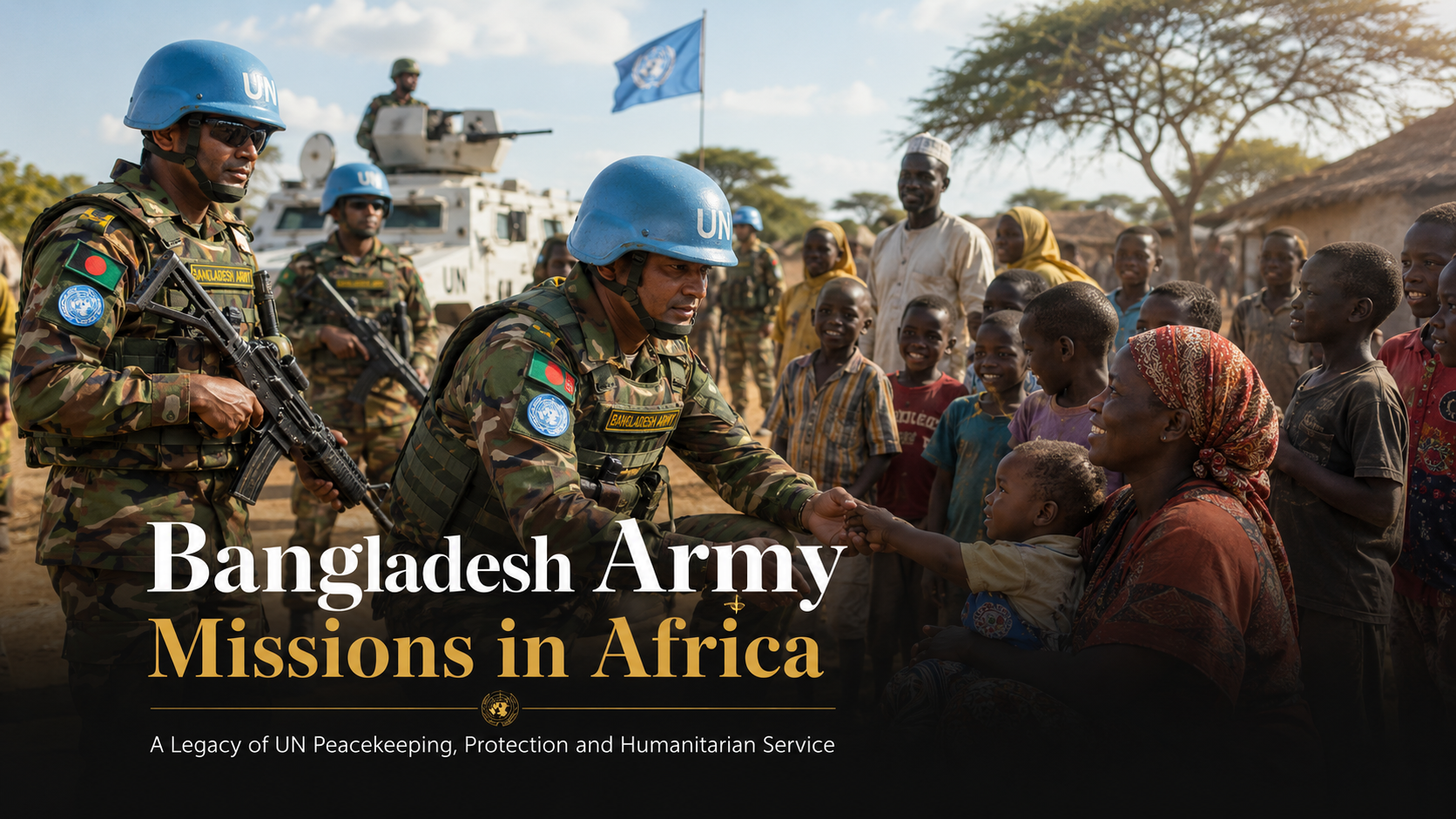
The relationship between Bangladesh and Africa isn’t just about trade deals or diplomatic handshakes. A big part of it has been quietly built over decades, through the service, sacrifice, and trust of Bangladeshi soldiers serving under the UN flag across the African continent. For millions of Africans in conflict-affected regions, their first real encounter with Bangladesh has come not from a news report or a business deal, but from a peacekeeper in a blue helmet.
A Journey That Started in 1988
Bangladesh’s peacekeeping story began in 1988, when it sent military officers to the United Nations Iran–Iraq Military Observer Group. Since then, the country has become one of the world’s leading troop-contributing nations, with more than 167,000 personnel having served across 54 missions in 40 countries, a large share of them in Africa.
Bangladeshi peacekeepers have worn many hats in these missions: infantry and security contingents, military observers, engineers, medical teams, aviation units, logistics and transport personnel, communications specialists, and explosive ordnance disposal experts. Their work has gone well beyond conventional soldiering, protecting civilians, escorting humanitarian convoys, supporting elections, rebuilding infrastructure, running medical camps, and clearing explosive hazards.
Over the years, Bangladesh has deployed troops to major missions across the continent, some still ongoing, others long since completed.
Major Bangladesh Army Missions in Africa
| Country | UN Mission | Status |
|---|---|---|
| Democratic Republic of the Congo | MONUC / MONUSCO | Ongoing |
| South Sudan | UNMISS | Ongoing |
| Central African Republic | MINUSCA | Ongoing |
| Western Sahara | MINURSO | Ongoing |
| Sudan | UNMIS | Completed |
| Darfur | UNAMID | Completed |
| Mali | MINUSMA | Completed |
| Liberia | UNMIL | Completed |
| Sierra Leone | UNAMSIL | Completed |
| Côte d’Ivoire | UNOCI | Completed |
| Rwanda | UNAMIR | Completed |
| Angola | UNAVEM / MONUA | Completed |
| Somalia | UNOSOM / AMISOM support | Completed |
| Ethiopia & Eritrea | UNMEE | Completed |
| Abyei | UNISFA | Ongoing participation |
Protecting Civilians, Standing With Communities
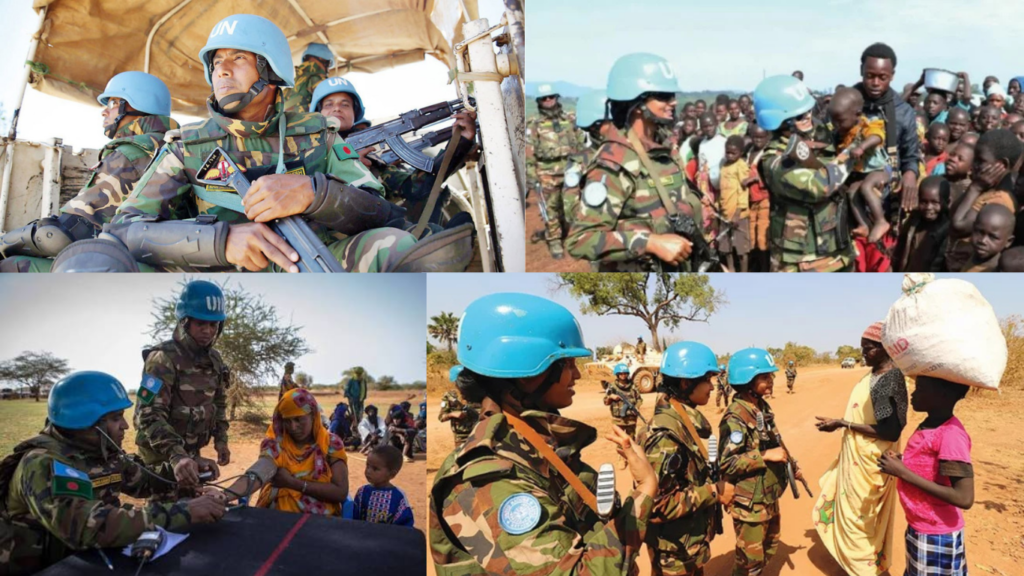
In conflict zones, ordinary people face constant threats from armed groups, displacement, food insecurity, and almost no access to basic services. Bangladeshi peacekeepers have consistently stepped in to patrol vulnerable areas, guard displaced persons camps, and create safer conditions for aid organizations to operate.
In the DRC, Bangladeshi personnel served under both MONUC and its successor MONUSCO across infantry, engineering, aviation, medical, and logistics roles. In South Sudan, their work has spanned civilian protection, infrastructure projects, healthcare delivery, and community programs designed to strengthen local resilience.
Humanitarian Work That Builds Trust
Bangladeshi contingents are widely recognized for their humanitarian instincts. Medical teams and field hospitals treat not just peacekeepers but, wherever possible, local residents too, often running medical camps in remote areas where healthcare is scarce. They routinely escort convoys carrying food, medicine, water, and emergency supplies through unstable territory, helping aid actually reach the people who need it.
These day-to-day interactions, a medical camp here, a secured supply route there, are where the real relationship gets built. It’s not just about security; it’s compassion and presence.
Engineers Who Rebuild What Conflict Destroys
Bangladesh Army’s engineering units have earned a strong reputation for working effectively in some of the toughest environments. Their projects include roads and bridges, schools and clinics, water and drainage systems, camps and operational facilities, and airfields used for humanitarian access.
The impact is tangible: better roads mean aid reaches remote communities faster, rebuilt bridges reconnect isolated villages, new clinics expand access to healthcare, and repaired schools give displaced children a shot at normal life again. This is part of why Bangladesh’s reputation in Africa extends beyond peacekeeping into recovery and development.
Earning Trust, One Community at a Time
What sets Bangladeshi peacekeepers apart isn’t just military discipline; it’s cultural sensitivity and a genuine willingness to engage. They work alongside community leaders, support local schools, provide medical assistance, and help vulnerable families, building relationships that outlast any single mission.
For many Africans, a Bangladeshi peacekeeper is their very first direct connection to Bangladesh. That first impression, built on professionalism and kindness, tends to stick, and it’s a big reason why peacekeeping has quietly become one of the strongest bridges between the two regions.
A Bridge Beyond the Mission
Peacekeeping has introduced thousands of Bangladeshi soldiers to African societies, economies, and cultures—and, in turn, given African communities a firsthand look at Bangladesh through the people representing it.
Bangladesh’s engagement with Africa also continues beyond peacekeeping. In April 2026, the country participated in the Dakar International Forum on Peace and Security in Senegal, highlighting its wider diplomatic engagement with African peace, security, and cooperation.
That mutual familiarity has created a foundation of trust that outlasts the formal boundaries of any UN mandate, feeding into deeper diplomatic ties, cultural exchange, and long-term cooperation.
From Peacekeeper to Bridge-Builder: The Story of Zahirul Haq
That “something bigger” is best illustrated by the story of Zahirul Haq, Founder and President of the Africa Bangladesh Business Forum (ABBF).
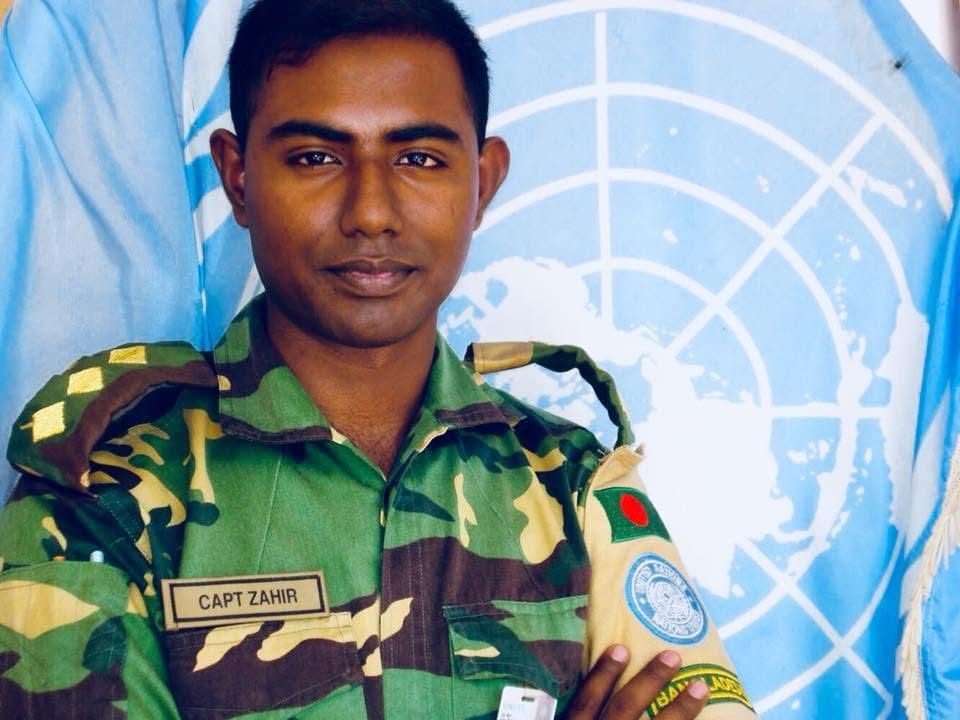
A former UN peacekeeper, Zahirul Haq served in Côte d’Ivoire under UNOCI and in the Democratic Republic of the Congo under MONUSCO. During his deployments, he got an up-close view of African societies, economies, and communities, an experience that shaped his understanding of the continent long after he left the mission.
Alongside the real challenges many African nations face, Zahirul Haq also saw enormous economic potential: growing consumer markets, expanding cities, emerging industries, natural resources, and a young, entrepreneurial population. He recognized that Bangladesh’s own strengths in garments, textiles, pharmaceuticals, agriculture, jute, leather, plastics, light engineering, IT, and consumer goods could meet a lot of that demand.
The problem, he found, wasn’t opportunity; it was access. Limited market knowledge, a lack of trusted contacts, communication gaps, and the absence of dedicated business platforms kept entrepreneurs on both sides from connecting. That gap is what pushed him to build something.
Building the Africa Bangladesh Business Forum
Mr. Zahirul founded ABBF to be exactly that missing platform, a reliable space connecting African and Bangladeshi business communities. The Forum brings together African buyers, importers, and distributors; Bangladeshi manufacturers and exporters; investors and entrepreneurs; chambers of commerce; government and diplomatic representatives; and industry leaders, all with the goal of closing the information gap that has long stood between the two markets.
Connecting Businesses Through Real Interaction
ABBF facilitates this connection through international business summits, trade shows and exhibitions, B2B matchmaking sessions, networking events, webinars, and trade delegations.
These aren’t abstract exercises. Through B2B matchmaking, Bangladeshi exporters get to meet African buyers who are genuinely in the market for their products, while African importers get to identify Bangladeshi manufacturers offering competitive sourcing. Trade shows let businesses showcase products and read customer preferences firsthand, and summits create space to discuss trade policy, investment, logistics, and market-entry hurdles.
Alongside ABBF, Zahirul Haq is also the Founder and CEO of Kingmansa, a global B2B marketplace created to connect buyers, suppliers, manufacturers, and exporters across international markets.

One of the major challenges in doing business with African markets is cross-border payment difficulty. Kingmansa helps address this issue by enabling African buyers to make payments in their local currencies, while exporters can receive payments through a more convenient and structured system.
Through its B2B marketplace and payment support, Kingmansa aims to make trade between Africa, Bangladesh, and other global markets more accessible, secure, and efficient.
Turning Trade Awareness Into Trade Activity
Through these efforts, ABBF has helped raise real awareness of the trade opportunities between the two regions, with Bangladeshi companies learning more about African markets and African businesses gaining visibility into Bangladesh’s manufacturing and export capacity.
The Forum also tackles the practical friction points: finding trustworthy partners, understanding local market conditions, identifying distributors, arranging B2B meetings, and supporting market entry. International trade runs on trust and reliable relationships — and the goodwill built over decades of peacekeeping gives platforms like ABBF a real head start in establishing that trust.
Welcoming Former Peacekeepers into Leadership
ABBF also welcomes former United Nations peacekeepers to become part of the Forum in various leadership, advisory, and strategic roles. Their firsthand experience in Africa, understanding of local communities, cultural awareness, discipline, and international exposure can make a valuable contribution to strengthening Africa–Bangladesh cooperation.
One of the distinguished advisers of ABBF is Major General Rezowan Masud, whose experience and leadership add significant value to the Forum’s mission. By engaging former peacekeepers and senior professionals, ABBF aims to build a stronger platform that combines practical African experience, institutional knowledge, and long-term vision.
These individuals can contribute to areas such as strategic planning, international relations, business diplomacy, market understanding, event leadership, policy dialogue, and the development of trusted connections between African and Bangladeshi stakeholders.
From Peacekeeping to Economic Partnership
Decades of peacekeeping have given Bangladesh a reputation in Africa as a responsible, dependable partner. The natural next step is expanding that goodwill into trade, investment, entrepreneurship, education, technology, and institutional cooperation, not replacing the humanitarian legacy, but building on top of it.
Complementary Strengths, Shared Future
Bangladesh and Africa bring genuinely complementary strengths to the table. Bangladesh offers manufacturing expertise, affordable quality products, technical know-how, and a skilled workforce in sectors like garments, pharmaceuticals, agriculture, and light engineering. African countries offer fast-growing markets, investment opportunities, natural resources, and an expanding consumer base.
Bringing these strengths together opens the door to more trade and exports, joint ventures, technology exchange, industrial and agricultural cooperation, skills development, and deeper people-to-people ties — all resting on the trust that Bangladeshi peacekeepers helped establish long before any of these business conversations began.
Conclusion
Bangladeshi peacekeepers have played a quiet but significant role in shaping Africa-Bangladesh relations. Through civilian protection, humanitarian work, medical support, infrastructure projects, and genuine community engagement, they’ve built a positive image of Bangladesh across the continent, one rooted in trust, service, and shared human experience.
Zahirul Haq’s journey shows what can grow from that foundation. After serving in Côte d’Ivoire and the DRC, he saw an opportunity that went beyond peacekeeping and built the Africa Bangladesh Business Forum to act on it, a platform now actively connecting the two regions through summits, trade shows, and B2B matchmaking.
Bangladesh’s peacekeeping legacy, in other words, has done more than write a history of service. It has built a bridge, and today, that bridge is opening up new relationships, deeper cooperation, and real opportunities for the people and businesses of both Africa and Bangladesh.
You May Also Like