

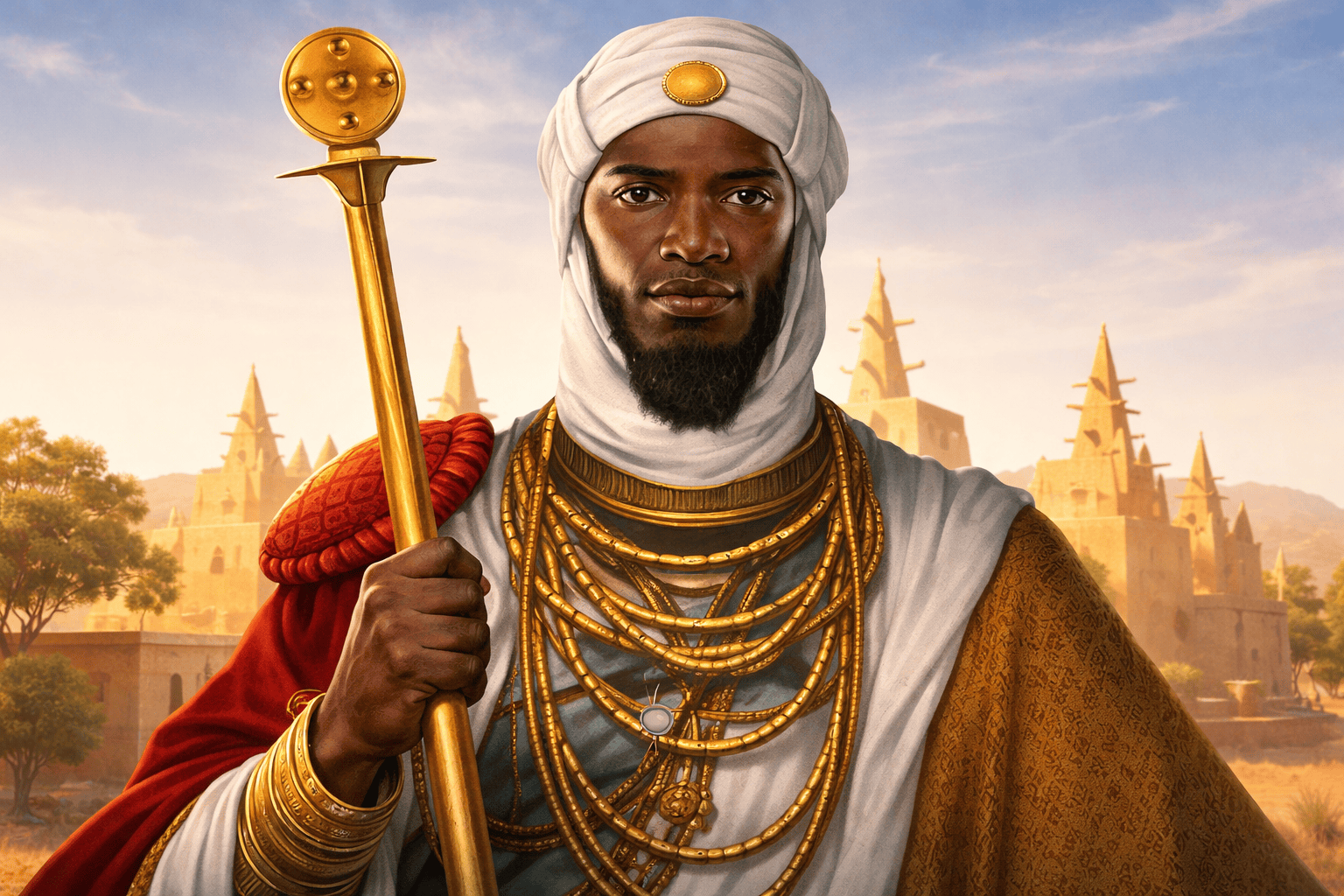
King Mansa Musa: Africa’s Golden Legacy and the Inspiration Behind Modern Trade
Mansa Musa is widely remembered as the richest man in recorded history. But reducing King Mansa Musa to wealth alone misses the real story. His legacy is not just about gold — it is about trade, trust, connectivity, and Africa’s historical leadership in global commerce.
At a time when Africa is once again emerging as a critical player in international trade, the story of King Mansa Musa feels more relevant than ever.
Who Was King Mansa Musa?
King Mansa Musa ruled the Mali Empire in the early 14th century, overseeing one of the most powerful and economically advanced civilizations of its time. Under his leadership, Mali became a central hub connecting West Africa, North Africa, the Middle East, and Europe.
Gold, salt, textiles, manuscripts, and knowledge moved across vast trade routes — supported by systems of trust, reputation, and governance. These were not accidental successes; they were the result of structured trade networks and cross-border cooperation.
More Than Wealth: King Mansa Musa’s Global Trade Vision
When King Mansa Musa undertook his famous pilgrimage to Mecca, he did not travel alone. He moved with scholars, traders, diplomats, and administrators. His journey reshaped global perceptions of Africa — placing it firmly at the center of international trade conversations.
Markets responded. Trade routes expanded. Diplomatic ties strengthened.
In many ways, King Mansa Musa was not just a ruler — he was a trade enabler.
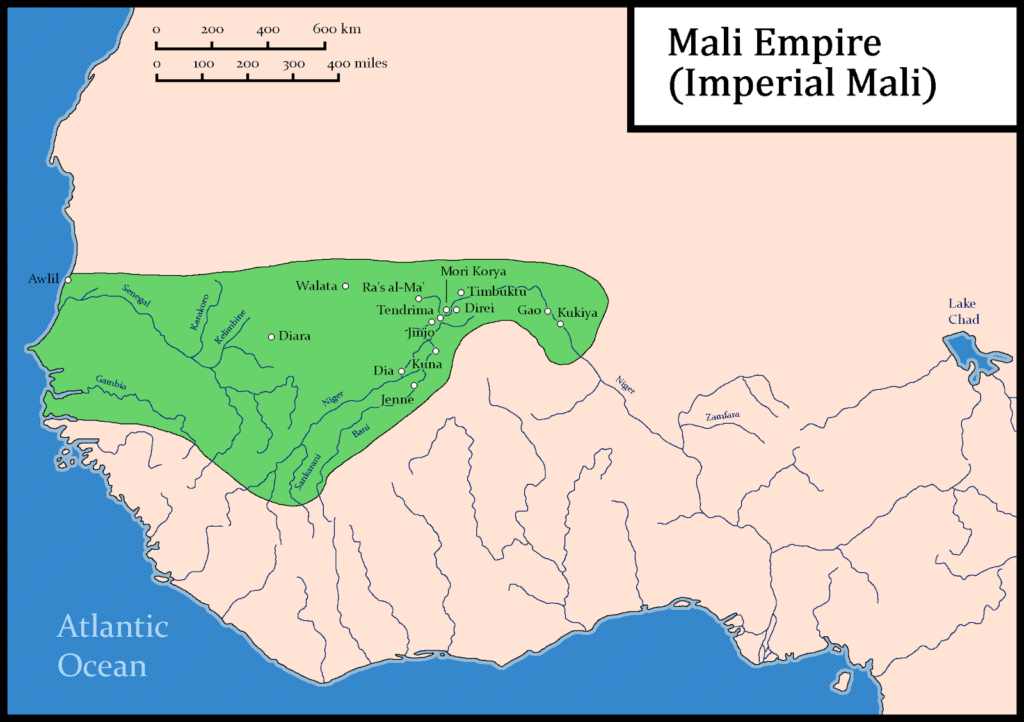
Africa’s Forgotten Trade Leadership
Long before modern supply chains and digital platforms, Africa facilitated:
- Cross-border commerce
- International partnerships
- Verified merchants and trusted exchanges
Cities like Timbuktu became centers of commerce, education, and innovation. Africa was not “emerging” — it was leading.
Over time, this narrative was lost, fragmented, or ignored. But the foundation never disappeared.
From King Mansa Musa to Modern Trade
Today, African and global businesses face familiar challenges:
- Trust between buyers and sellers
- Verification of suppliers
- Cross-border payments
- Logistics and compliance
These are modern versions of old problems — the same ones King Mansa Musa’s empire solved centuries ago through systems, networks, and reputation.
Why the Name Kingmansa?
The name Kingmansa is inspired by the legacy of King Mansa Musa — not his gold, but his vision.
It reflects:
- Africa’s historic role in global trade
- The importance of trust and verification
- The power of structured, connected markets
Just as King Musa connected Africa to the world through trade routes, Kingmansa exists to support modern trade connections using digital infrastructure.
This inspiration is symbolic, intentional, and forward-looking.
Reclaiming the Narrative of African Trade
The story of King Musa reminds the world that Africa has always been capable of organizing, leading, and scaling commerce across borders.
As global interest in Africa grows — in manufacturing, sourcing, exports, and partnerships — remembering this legacy matters. It reframes Africa not as a new participant, but as a returning leader.
A Legacy That Still Moves Markets
The name King Musa continues to trend because it represents something powerful:
confidence, scale, trust, and global relevance.
That legacy deserves more than historical curiosity. It deserves continuity.
And in today’s interconnected economy, that continuity begins with rebuilding trusted trade ecosystems — inspired by the past, designed for the future.