


How to Start a Business: A Practical Guide for Africa–Bangladesh Export-Import Entrepreneurs
How to start a business is a common question for entrepreneurs in both Africa and Bangladesh, especially as trade between these two regions continues to grow. With rising demand, complementary economies, and increasing regional cooperation, export–import has become one of the most practical business models for new and growing entrepreneurs.
This guide is written specifically with Africa and Bangladesh markets in mind. It focuses on export–import business, explains core concepts in simple terms, and shows how business communities and forums support entrepreneurs through networking, matchmaking, and long-term collaboration.
How to Start a Business in the Africa–Bangladesh Trade Context
How to start a business between Africa and Bangladesh begins with understanding how the two markets complement each other. Bangladesh has strong manufacturing capacity in garments, textiles, pharmaceuticals, leather, light engineering, and agro-processing. African markets, on the other hand, offer expanding consumer bases, infrastructure projects, and increasing demand for affordable, quality products.
Entrepreneurs who understand this demand–supply relationship are better positioned to build sustainable export–import businesses. The key is not only having a product, but also having access to the right people, markets, and information.
What Is Business Opportunity in Africa–Bangladesh Trade?
What is business opportunity?
In practical terms, a business opportunity exists where demand meets limited supply or where efficiency, pricing, or quality can be improved.
In Africa–Bangladesh trade, opportunities often appear in:
- Ready-made garments and textiles
- Pharmaceuticals and medical supplies
- Processed food and agro-products
- Construction materials and light machinery
- ICT and digital services
For example, many African countries import finished and semi-finished goods that Bangladesh can supply competitively. At the same time, African producers offer raw materials and emerging products that Bangladeshi businesses can source or distribute.
Identifying the right opportunity requires market research, trade data analysis, and conversations with active market players.

Why a Business Strategist Matters in Export–Import
Business strategist is essential when entering cross-border trade. Export–import involves more complexity than local business, including regulations, logistics, currency risk, and partner reliability.
A business strategist helps entrepreneurs:
- Choose the right entry market
- Define a clear product focus
- Understand trade regulations and standards
- Plan pricing and distribution channels
For Africa–Bangladesh trade, strategic decisions such as selecting ports, choosing payment terms, and structuring partnerships directly affect profitability and sustainability.
What Is a Business Plan and How to Build One for Export–Import
What is a business plan?
A business plan is a structured roadmap that explains how a business will operate, grow, and manage risks.
In export–import, a business plan typically includes:
- Target country and market analysis
- Product sourcing or supply strategy
- Compliance and certification requirements
- Logistics and shipping methods
- Payment and settlement mechanisms
- Sales, marketing, and partnership approach
For Africa–Bangladesh trade, a strong business plan helps entrepreneurs communicate clearly with partners, investors, and institutions while avoiding costly mistakes.
How to Start a Business Step by Step in Export–Import
Market Research and Product Selection
Start by understanding what products are in demand in African markets and what Bangladesh can supply competitively. Reliable research reduces uncertainty and improves decision-making.
Related focus: international trade, export demand, sourcing strategy
Business Registration and Trade Compliance
Register your business according to national laws and obtain required export–import licenses. Compliance builds credibility and ensures smoother customs and shipping processes.
Building Trust Through Business Communities
Trust is one of the biggest challenges in cross-border trade. Instead of relying on random contacts, entrepreneurs benefit from structured business communities that bring verified stakeholders together.
This is where Africa Bangladesh Business Forum (ABBF) plays an important role as a business forum, not a trading company.
What Is a Partnership Business in Africa–Bangladesh Trade?
What is a partnership business?
A partnership business involves two or more parties sharing responsibilities, risks, and rewards.
In export–import, partnerships may include:
- Local distributors in African markets
- Bangladeshi manufacturers or exporters
- Logistics and freight partners
- Market representatives or agents
Partnership models are especially useful when entering new African markets, as local knowledge and networks help reduce operational risk.
ABBF as a Business Forum and Community Builder
Africa Bangladesh Business Forum works as a business forum that focuses on building structured business communities between Africa and Bangladesh. It does not operate as a buyer or seller; instead, it creates platforms where businesses can meet, engage, and explore collaboration.
How ABBF supports entrepreneurs
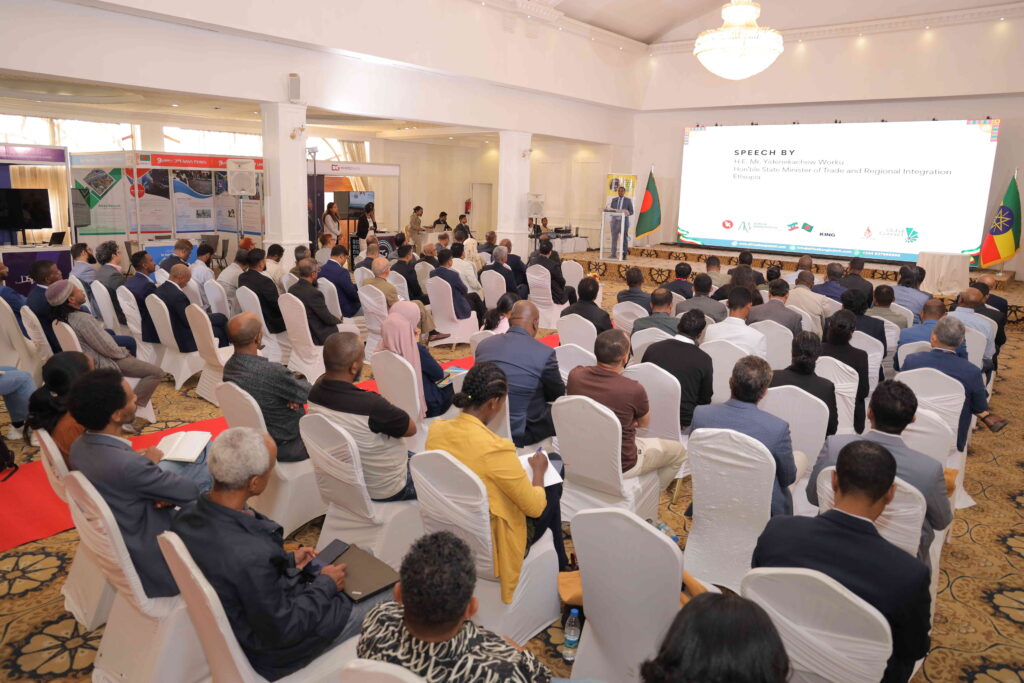
- Organizing business events, trade shows, and summits
- Creating networking opportunities across sectors
- Facilitating business matchmaking between buyers, sellers, and partners
- Encouraging dialogue between private sector and institutions
By focusing on community building, ABBF helps businesses move from initial connection to meaningful collaboration.


Business Matchmaking: Turning Meetings into Opportunities
One of the most practical benefits of business forums is matchmaking. Business matchmaking allows entrepreneurs to:
- Meet relevant partners instead of random contacts
- Save time in partner search
- Build trust through face-to-face interaction
- Understand real market expectations
For Africa–Bangladesh trade, matchmaking helps bridge cultural, regulatory, and communication gaps that often slow down international business.
ABBF’s Official B2B Marketplace Partner: Kingmansa
To support real trade execution beyond meetings and networking, the Africa Bangladesh Business Forum works closely with Kingmansa, its official B2B marketplace partner.
Kingmansa is a global B2B digital platform designed to help businesses discover verified suppliers and buyers across borders. For entrepreneurs involved in Africa–Bangladesh export-import trade, Kingmansa plays a complementary role by turning business discussions into practical trade opportunities.
How to Start a Business with Community Support
How to start a business becomes more manageable when entrepreneurs operate within a supportive ecosystem. Business communities reduce isolation, improve access to information, and increase confidence in decision-making.
Entrepreneurs engaged in forums and communities often gain:
- Better market visibility
- Faster learning through peer experience
- Stronger negotiation position
- Long-term relationship building
Export–import is not only about transactions; it is about relationships and trust.
Clear Answers for Entrepreneurs
What is business opportunity in Africa–Bangladesh trade?
It exists where demand in African markets aligns with Bangladesh’s manufacturing and service capabilities.
What is a business plan used for?
It guides operations, manages risks, and supports growth planning.
What is a partnership business best suited for?
Entering new markets, sharing risk, and gaining local expertise.
How to start a business in export–import?
By combining market research, compliance, partnerships, and community engagement.
Conclusion: Building Sustainable Africa–Bangladesh Trade Businesses
How to start a business in Africa–Bangladesh export–import trade requires more than capital. It requires understanding markets, planning strategically, building partnerships, and engaging with the right business communities.
Business forums like ABBF demonstrate how events, networking, and matchmaking can create real value for entrepreneurs by connecting people, ideas, and opportunities.
For businesses looking to grow across Africa and Bangladesh, success lies in community-driven collaboration, informed decision-making, and long-term vision—not shortcuts.