

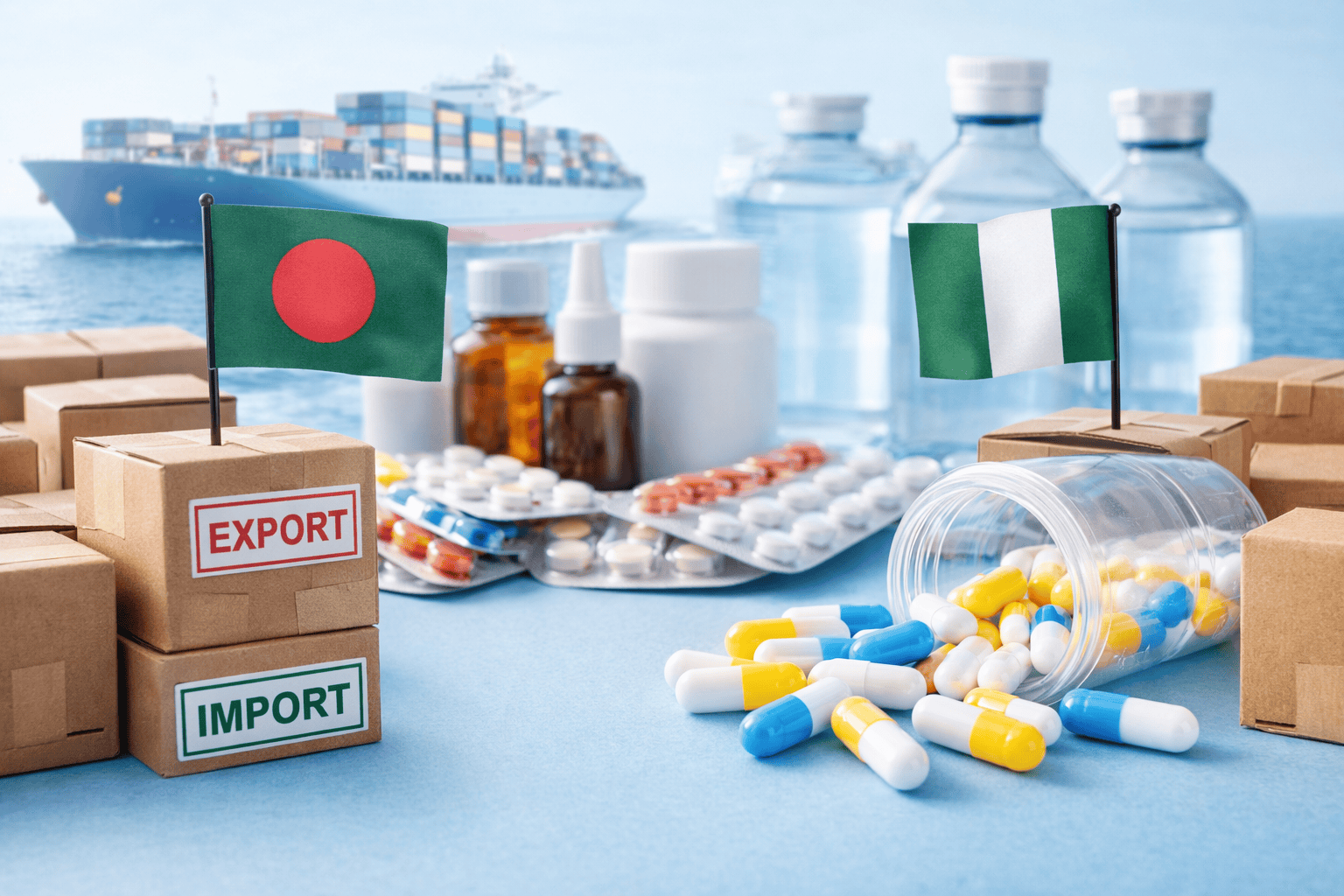
Bangladeshi Medicines in Nigeria: Export Opportunity & Market Insight
Bangladeshi Medicines in Nigeria are gaining recognition as a significant export opportunity, driven by Nigeria’s booming pharmaceutical market and high reliance on imported drugs. With Nigeria’s pharmaceutical industry growing rapidly and demand increasing across generics, OTC products, and hospital supplies, Bangladesh’s pharmaceutical sector stands at a strategic juncture for expansion into one of Africa’s most promising healthcare markets.
In this blog, we’ll explore why Bangladeshi Medicines in Nigeria are highly sought after, the current market landscape in Nigeria, key growth drivers, challenges foreign exporters may encounter, and how organizations like the Africa Bangladesh Business Forum are facilitating trade and business development between Bangladesh and African markets.
Nigeria’s Pharmaceutical Market: A Snapshot
Nigeria is the most populous country in Africa, with an estimated population of over 220 million people and a rapidly expanding middle class. The market for pharmaceuticals in Nigeria is substantial, valued at approximately $4 billion, with growth expected to continue in the coming years at roughly 9% annually. This growth reflects increased healthcare spending, rising prevalence of chronic illnesses, and a growing demand for both essential and non-essential medicines.
Despite having domestic manufacturing capacity, Nigeria still meets only about 25-30% of its total pharmaceutical needs locally. This leaves a significant 70-75% of demand fulfilled by imports, mostly from Asia including India and the UK, but with growing interest from other exporters.
This over-reliance on imported products creates a compelling opportunity for Bangladeshi pharmaceutical manufacturers, particularly for high-quality generic medicines, over-the-counter (OTC) products, antibiotics, and hospital supplies.
Why Bangladeshi Medicines in Nigeria Are in Demand
1. Strong Market Demand for Affordable Generics
The dominant category in Nigeria’s pharmaceutical market is generics, accounting for a large share of sales due to affordability and widespread usage. Affordable medicines are essential in a market where a significant portion of healthcare is paid out-of-pocket.
Bangladesh’s pharmaceutical industry is known for its expertise in producing cost-effective, quality generic medicines, making Bangladeshi Medicines in Nigeria naturally competitive. In the fiscal year 2024–2025, Bangladesh’s pharmaceutical exports rose by more than 13%, signaling the sector’s growing export readiness.
2. Diverse Therapeutic Needs
Nigeria’s healthcare challenges span infectious diseases, chronic conditions, and primary healthcare needs. This has created consistent demand for:
- Antibiotics & Anti-infectives
- Analgesics & OTC pain relief
- IV fluids and hospital supplies
- Chronic disease medications
Bangladeshi Medicines in Nigeria, especially quality generic antibiotics and pain care products, align well with these market requirements, making Bangladesh a valuable partner in improving healthcare access.
3. Growing Healthcare Infrastructure and Insurance Penetration
Healthcare infrastructure in Nigeria, including hospitals, clinics, pharmacies, and medicine vendors, continues to expand. With government initiatives to improve health insurance coverage under the National Health Insurance Act, access to medicines and formal distribution channels is improving.
For Bangladeshi exporters, this means broader distribution networks and potential partnerships with local pharmaceutical wholesalers and institutional buyers.
Challenges to Entering the Nigerian Market
While the opportunity is strong, exporting Bangladeshi Medicines in Nigeria is not without hurdles. Exporters should be aware of several challenges:
1. Regulatory Approval & Compliance
Nigeria’s pharmaceutical products must be approved by the National Agency for Food and Drug Administration and Control (NAFDAC) before importation or sale. Approval requires documentation, quality certificates, and compliance with Nigerian standards.
Exporters should invest in understanding regulatory pathways and may benefit from local consultants to navigate compliance efficiently.
2. Counterfeit Medicine Concerns
Like many emerging markets, Nigeria faces challenges with counterfeit and substandard drugs in circulation. This makes quality assurance a key concern for Nigerian buyers and regulators. Exporters of Bangladeshi Medicines in Nigeria need to emphasize certified quality, legitimate supply chains, and traceability to build trust within the healthcare system.
3. Price Competition and Logistics
Imported pharmaceuticals incur logistics, tariff, and distribution costs, which can affect pricing competitiveness. Bangladeshi manufacturers must optimize production, shipping strategies, and pricing to compete with established exporters.
Nonetheless, Bangladesh’s status as a cost-efficient producer gives it a competitive advantage against many global suppliers.
Economic Trends Enhancing Export Potential
The broader African pharmaceutical market is also growing significantly. Regional demand for pharmaceuticals in Africa is forecast to expand at a compound annual growth rate (CAGR) of around 8-10% in the next decade with sales projected to exceed $117 billion by 2034.
This trajectory signals rising healthcare investment across the continent, particularly in West African nations like Nigeria, where populations are increasing, and healthcare systems are evolving.
This trend presents not just a one-off export opportunity but the potential for sustained growth for Bangladeshi pharmaceutical players.
How Bangladeshi Exporters Can Prepare
1. Understand Market Needs & Segmentation
Exporters targeting Nigeria should research and segment the market according to product demand including chronic disease care, infection treatment, and essential medicine categories.
Bangladeshi Medicines in Nigeria should be positioned not just as exports but as trusted and quality solutions tailored to local health needs.
2. Build Strategic Local Partnerships
Partnering with Nigerian distributors, wholesalers, or logistics providers can ease market entry barriers. Local partners provide insights into distribution networks, customer behavior, registration processes, and regulatory requirements.
3. Strengthen Quality Assurance and Certifications
Highlighting certifications such as WHO-GMP (World Health Organization Good Manufacturing Practice) or approvals from internationally recognized regulators can boost confidence among Nigerian buyers and regulators.
Role of Africa Bangladesh Business Forum
Organizations like the Africa Bangladesh Business Forum play a crucial role in connecting Bangladeshi manufacturers with African markets like Nigeria.
The Africa Bangladesh Business Forum facilitates trade ties, promotes business development, and organizes trade expos and summits that bring buyers and sellers together. Their events provide a platform for Bangladeshi pharmaceutical companies to showcase their products, meet verified international buyers, and learn about market entry strategies.
By supporting networking, market research, and B2B engagement, the Africa Bangladesh Business Forum is actively contributing to stronger Bangladesh–Africa trade relations and helping Bangladeshi firms expand their global footprint.
Why Now Is the Time to Act
The demand for Bangladeshi Medicines in Nigeria is strong and growing due to Nigeria’s expanding healthcare needs, heavy reliance on imports, and rising middle-class consumption patterns. With Nigeria’s pharmaceutical market valued at billions and expected to continue expanding, there’s a substantial opportunity for Bangladeshi exporters of generics, OTC drugs, and hospital supplies to enter and succeed.
Exporters eyeing Nigeria should prepare for regulatory challenges, build strong local partnerships, and emphasize quality to establish trust in this vibrant market.
Organizations like the Africa Bangladesh Business Forum provide critical support for navigating this landscape and connecting with key stakeholders on the ground.
For Bangladesh’s pharmaceutical sector, Nigeria is not just a target market; it’s a gateway into broader African healthcare demand and long-term export growth.